


Low Platelets: Could Cancer Be the Cause?
Finding out that your platelet count is low can be unsettling, especially when you start wondering, “Could low platelets mean cancer?” The short answer is that low platelets do not automatically mean cancer. There are many possible explanations, including infections, medications, nutritional deficiencies, autoimmune conditions, liver or spleen problems, and temporary changes in how your body produces or uses platelets.
At the same time, persistent or unexplained thrombocytopenia should not simply be ignored. Certain blood cancers, bone marrow disorders, and cancers that affect the bone marrow can cause platelet counts to fall. The important question is not only how low the platelet count is, but why it is low and whether other blood counts or symptoms are abnormal.
Important Note
A low platelet count can have many causes, and cancer is only one possibility. Understanding what your blood test actually means can help you avoid unnecessary fear while also making sure an unexplained abnormal result receives appropriate medical attention.
What Does a Low Platelet Count Mean?
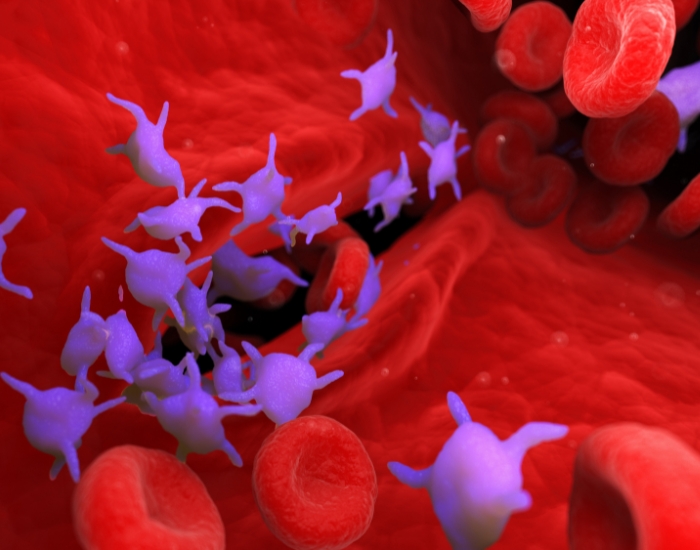
Platelets are small blood cells that help your body control bleeding. When a blood vessel is injured, platelets gather at the site and help form a clot. A healthy platelet count is therefore important for normal blood clotting.
In adults, a platelet count below approximately 150,000 platelets per microliter of blood is generally considered low, although the reference range can vary somewhat between laboratories. Doctors may use the term thrombocytopenia to describe a reduced platelet count.
The degree of thrombocytopenia matters. A mildly low result may cause no symptoms at all and may simply need to be monitored. A significantly lower count can increase the risk of bleeding, particularly when combined with certain medications, medical conditions, or other abnormalities.
One abnormal platelet result also does not necessarily tell the whole story. Your physician may compare it with previous CBC results to determine whether the platelet count has always been slightly low, has recently dropped, or has been steadily declining.
That trend can be extremely useful. A platelet count that is temporarily reduced during an infection may behave very differently from a persistent decrease accompanied by anemia or an abnormal white blood cell count.
Can Low Platelets Mean Cancer?
Yes, some cancers can cause low platelets, but having low platelets does not mean that you have cancer.
Cancer can affect platelet levels in several ways. Some blood cancers and bone marrow disorders interfere directly with the body’s ability to produce normal blood cells. Certain cancers can also involve the bone marrow, where blood cells are produced. Cancer treatment, particularly chemotherapy, can also temporarily lower platelet production.
However, there are many much more common reasons for thrombocytopenia. Viral infections, immune-related platelet destruction, medications, liver disease, an enlarged spleen, nutritional deficiencies, and other medical conditions can all contribute to a low platelet count.
This is why doctors do not diagnose cancer simply because a CBC shows thrombocytopenia. They look at the entire blood count, medical history, physical examination, symptoms, medication list, and platelet trend.
If your platelet count is low and your other blood counts are normal, your doctor may approach the situation differently than if your platelets, red blood cells, and white blood cells are all abnormal.
In some cases, repeat testing may be all that is needed initially. In other situations, a more detailed hematologic evaluation may be appropriate.
The key takeaway is simple: low platelets are a finding, not a cancer diagnosis.
Which Cancers Can Cause Low Platelets?
Several cancers and blood-related disorders can be associated with thrombocytopenia. However, the presence of low platelets alone cannot identify a specific type of cancer.
Leukemia
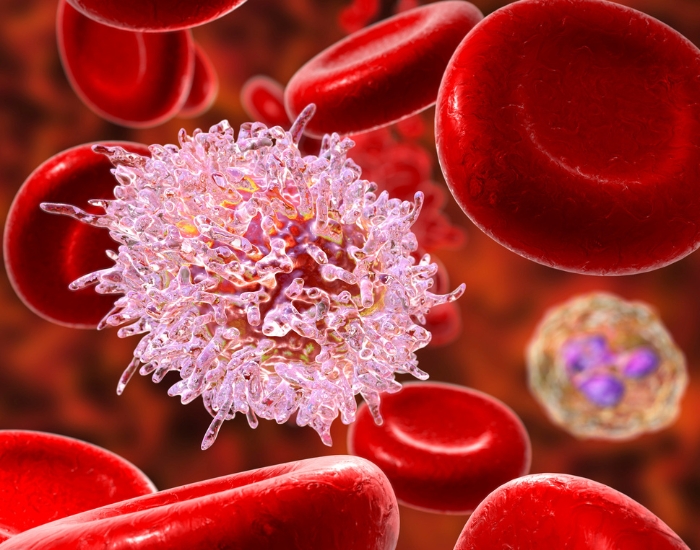
Some forms of leukemia affect the bone marrow and interfere with the production of normal blood cells. Because platelets are produced in the bone marrow, their numbers can fall when normal blood-cell production is disrupted.
A person with leukemia may have other abnormal CBC findings as well, although the pattern varies depending on the type and stage of the disease. Symptoms may include persistent fatigue, frequent infections, unexplained bruising or bleeding, fever, or other changes in overall health.
Lymphoma
Some lymphomas can be associated with low platelet counts, particularly when the disease affects the bone marrow or spleen. Certain lymphomas may also cause an enlarged spleen, which can contribute to platelet sequestration and a lower number of circulating platelets.
Symptoms vary considerably. Persistent swollen lymph nodes, unexplained fever, drenching night sweats, unexplained weight loss, and ongoing fatigue can sometimes warrant medical evaluation, although these symptoms also have many causes unrelated to cancer.
Multiple Myeloma
Multiple myeloma is a cancer involving plasma cells in the bone marrow. When abnormal plasma cells occupy a significant amount of marrow space, production of normal blood cells can be affected. This may result in anemia and, in some cases, reduced platelet counts.
Doctors consider the complete clinical picture rather than diagnosing multiple myeloma from a low platelet count alone.
Cancers Involving the Bone Marrow
Cancers that spread to or significantly affect the bone marrow can interfere with normal blood-cell production. Depending on the extent of involvement, a person may develop abnormalities in several blood-cell types.
This is one reason a hematologist may pay close attention to whether low platelets occur alongside low red blood cells or abnormal white blood cells.
Cancer Treatment Can Also Lower Platelets
If someone has already been diagnosed with cancer, low platelets may be related to treatment rather than the cancer itself. Chemotherapy can suppress bone marrow activity and temporarily reduce platelet production.
Doctors monitor CBC results during cancer treatment because platelet levels can affect decisions about medication, treatment timing, and supportive care.
Important distinction: low platelets in someone receiving cancer treatment have a different context from unexplained thrombocytopenia in someone who has never been diagnosed with cancer.

What Else Can Cause Low Platelets?
Cancer is only one possibility. In fact, thrombocytopenia has a broad range of potential causes.
Viral Infections
Some viral infections can temporarily reduce platelet counts. The decrease may occur because of changes in platelet production, increased destruction, or other effects of the body’s immune response.
If your blood test was performed while you were sick or shortly after an infection, your physician may consider whether the illness could explain the result.
Medications
Certain medications can cause thrombocytopenia in some people. The reaction may occur because the medication affects platelet production or triggers an immune response that causes platelets to be destroyed more quickly.
Because of this, your doctor may review every medication you take, including prescription drugs, over-the-counter medicines, vitamins, and supplements.
Immune Thrombocytopenia
Immune thrombocytopenia, often called ITP, is a condition in which the immune system mistakenly targets platelets. It can occur in children or adults and may develop suddenly or persist over time.
ITP is not cancer. However, determining whether thrombocytopenia is caused by ITP or another condition requires medical evaluation.
Liver Disease and an Enlarged Spleen
The liver and spleen play important roles in blood and platelet regulation. Certain liver conditions can contribute to an enlarged spleen, which may hold onto more platelets than usual and reduce the number circulating in the bloodstream.
Vitamin Deficiencies
Severe deficiencies of certain nutrients, including vitamin B12 or folate, can interfere with normal blood-cell production and may contribute to abnormalities on a CBC.
This is another reason doctors generally evaluate the entire blood picture rather than focusing on the platelet number alone.
Laboratory or Collection Issues
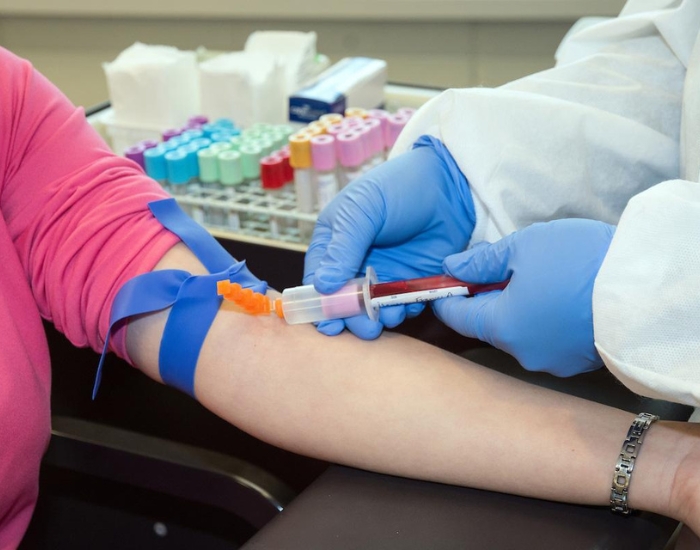
Sometimes a platelet count appears low because platelets clump together in the blood sample after it is collected. This phenomenon, known as platelet clumping or pseudothrombocytopenia, can produce an artificially low automated platelet count.
If the result does not fit the rest of the clinical picture, your doctor may repeat the test or request a peripheral blood smear to make sure the platelet count is accurate.
Important Note
Seeing a low platelet number on a lab report can immediately make your mind jump to the worst possibility. Try not to diagnose yourself from one result. Many causes of thrombocytopenia are unrelated to cancer, and your doctor can use repeat testing and additional information to determine what the result means for you.
What Are the Symptoms of Low Platelets?
Mild thrombocytopenia may cause no noticeable symptoms. Some people discover that their platelet count is low only because it was included in routine blood work.
As platelet levels decrease, bleeding-related symptoms may become more noticeable. These can include easy bruising, prolonged bleeding from small cuts, frequent nosebleeds, bleeding from the gums, or unusually heavy menstrual bleeding.
Some people develop tiny red or purple spots on the skin called petechiae. They can appear in clusters, particularly on the lower legs, although their presence does not by itself identify the cause of the low platelet count.
More significant thrombocytopenia can increase the risk of bleeding. The risk depends on the platelet level, the underlying condition, medications, and other individual factors.
It is also important to remember that symptoms such as fatigue, weakness, or feeling generally unwell are not specific to low platelets. They may be caused by anemia, infection, medications, chronic illness, cancer, or many other conditions.
When Should You Worry About Low Platelets?
A low platelet result deserves medical attention when it is significantly below the normal range, persists on repeat testing, continues to decline, or occurs with symptoms or other abnormal blood counts.
Your doctor may be particularly interested if thrombocytopenia occurs together with unexplained anemia, an abnormal white blood cell count, persistent fever, recurrent infections, unusual bruising, bleeding, swollen lymph nodes, unexplained weight loss, or other concerning changes.
That does not mean these findings automatically indicate cancer. Many noncancerous conditions can produce similar symptoms. They simply provide a reason to investigate further.
Severe bleeding, bleeding that does not stop, vomiting blood, black or bloody stools, or other signs of significant bleeding require prompt medical attention. If you are experiencing a medical emergency, seek immediate emergency care.
How Do Doctors Find the Cause of Low Platelets?
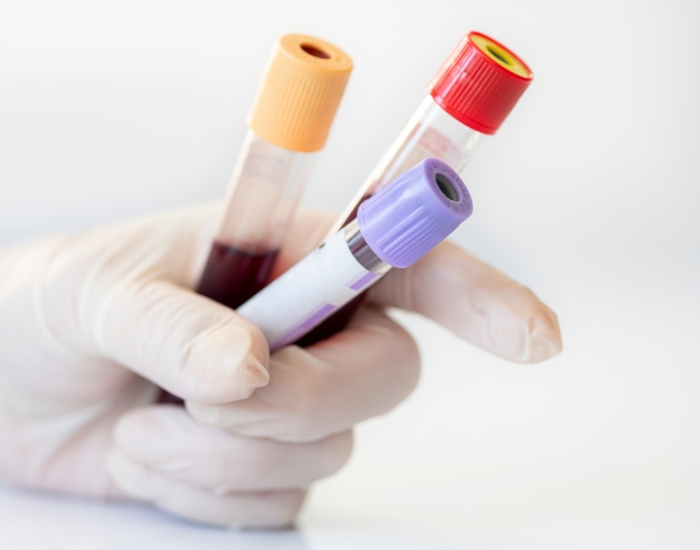
The evaluation usually begins with the CBC itself. Your doctor will look at the platelet count and compare it with the hemoglobin, hematocrit, red blood cell indices, and white blood cell count.
The next question is often whether the platelet count is truly low and whether the abnormality is new.
Reviewing Previous Blood Tests
Previous CBC results can provide valuable information. A platelet count that has remained mildly low for years may have a different explanation from a platelet count that has dropped substantially over several weeks.
Medical History and Medication Review
Your physician may ask about recent infections, chronic medical conditions, bleeding symptoms, alcohol use, liver problems, medications, supplements, recent surgery, pregnancy, and other factors that can influence platelet levels.
Peripheral Blood Smear
A peripheral blood smear allows a laboratory professional to examine blood cells under a microscope. It can provide information about the appearance of platelets and other blood cells and may help identify platelet clumping or other abnormalities.
Additional Blood Tests
Depending on the suspected cause, your doctor may order additional tests to evaluate nutritional status, infection, liver function, immune-related conditions, or other possible explanations.
Bone Marrow Evaluation
A bone marrow test is not necessary for everyone with low platelets. When a blood disorder or bone marrow problem is suspected, however, a hematologist may recommend additional evaluation to understand how blood cells are being produced.
The specific tests depend on the individual patient’s findings. A careful evaluation is preferable to ordering every possible test without a clear clinical reason.
How Are Low Platelets Treated?
Treatment depends entirely on the cause and severity of thrombocytopenia.
If a medication is responsible, your doctor may consider changing or stopping it when medically appropriate. If an infection is contributing to the low platelet count, the platelet level may improve as the illness resolves.
Patients with immune thrombocytopenia may require treatments that reduce immune-mediated platelet destruction, depending on the severity of the condition and bleeding risk.
If low platelets are associated with liver disease, nutritional deficiency, another underlying disorder, or cancer treatment, management focuses on the specific cause.
People with cancer-related thrombocytopenia may need adjustments to treatment schedules or supportive therapies depending on the severity of the platelet reduction and the type of cancer therapy being used.
In severe cases, platelet transfusion or other urgent interventions may be considered. These decisions are made by medical professionals based on the patient’s symptoms, platelet count, bleeding risk, and underlying condition.
How Do Doctors Check for Cancer When Platelets Are Low?
Doctors do not typically begin a cancer evaluation simply because a platelet count is below normal. Instead, they first consider whether there is a reasonable explanation for the thrombocytopenia.
If the low platelet count is persistent or unexplained, the evaluation may become more detailed. The physician may look for abnormalities in other blood cells, examine a blood smear, review symptoms, and consider whether there are clinical findings that suggest a blood disorder or another underlying disease.
If the overall picture raises concern for a hematologic malignancy, a hematologist-oncologist can determine which specialized tests are appropriate.
Depending on the situation, testing may include additional blood studies, imaging, or bone marrow evaluation. These tests are not automatically necessary for every person with low platelets.
The most important principle is that the diagnosis comes from the complete clinical picture, not from the platelet number alone.

When Should You See a Hematologist-Oncologist?
A hematologist-oncologist may be appropriate when low platelets remain unexplained, continue to decrease, occur with other abnormal CBC results, or raise concern for a blood or bone marrow disorder.
A referral does not mean that your doctor believes you have cancer. Hematologists specialize in disorders involving blood cells and the bone marrow, including many conditions that are not cancerous.
At Premier Oncology Consultants, board-certified medical oncologists Dr. Shagufta Naqvi and Dr. Mohammad Riaz provide comprehensive cancer and hematology-related care for patients in the Greater Houston area.
If you are searching for an oncologist in Houston because of an unexplained blood-count abnormality, a specialist can help determine whether further evaluation is appropriate.
Patients can also learn more about the practice’s oncology physicians and the available cancer treatment services in Houston.
For patients in Katy and surrounding communities, Premier Oncology Consultants is located at 410 West Grand Parkway South, Suite 4C, Katy, TX 77494.
Low Platelets and Cancer FAQs
Does low platelets mean cancer?
No. Low platelets have many possible causes, and most people with thrombocytopenia cannot be diagnosed with cancer based on that result alone. Certain cancers and blood disorders can cause low platelets, but additional evaluation is needed to determine the cause.
Can leukemia cause low platelets?
Yes. Some types of leukemia can interfere with normal bone marrow function and reduce platelet production. However, leukemia usually requires evaluation of the complete blood count, blood-cell appearance, symptoms, and additional testing rather than a low platelet count alone.
Can lymphoma cause low platelets?
Some lymphomas can be associated with thrombocytopenia, particularly when the disease affects the bone marrow or spleen. However, infections, medications, immune conditions, and other noncancerous problems can also cause low platelets.
What platelet count is considered dangerous?
The level of concern depends on the individual patient and whether bleeding is occurring. As platelet counts become substantially lower, the risk of bleeding generally increases. Your healthcare provider should interpret your platelet count in the context of your symptoms, medical history, and other laboratory results.
Can low platelets be caused by an infection?
Yes. Some infections can temporarily lower platelet counts. The count may improve as the infection resolves, although persistent thrombocytopenia should be evaluated rather than automatically attributed to a previous illness.
Can stress cause low platelets?
Ordinary emotional stress is not generally considered a direct cause of significant thrombocytopenia. If your platelet count is low, it is better to look for medical explanations rather than assuming that stress is responsible.
Can low platelets cause bruising?
Yes. Low platelets can make it easier to bruise or bleed because platelets play an important role in forming blood clots. However, bruising can also have many other causes, including medications and other medical conditions.
Should I see a hematologist for low platelets?
You may benefit from a hematology evaluation if the platelet count remains low, has no obvious explanation, continues to fall, or occurs with other abnormal blood counts or concerning symptoms. Your primary care physician can help determine whether a referral is appropriate.
Can low platelets return to normal?
Yes. If thrombocytopenia is caused by a temporary infection, medication, nutritional problem, or another reversible condition, the platelet count may return toward normal after the underlying issue is addressed. Persistent or unexplained low platelets require further evaluation.
What Should You Do If Your Platelet Count Is Low?
A low platelet count can be concerning, but it is important not to assume the worst based on a single laboratory result. Many causes of thrombocytopenia are unrelated to cancer, while persistent or unexplained abnormalities deserve careful evaluation.
Start by discussing the result with your healthcare provider. Ask whether the platelet count has changed compared with previous CBC tests, whether your other blood counts are normal, and whether additional testing or a hematology referral is appropriate.
If you have ongoing bleeding, significant bruising, or other concerning symptoms, seek medical attention promptly rather than waiting for the problem to resolve on its own.
Concerned About a Low Platelet Count?
If you have persistent or unexplained thrombocytopenia, Premier Oncology Consultants can help evaluate abnormal blood findings and determine whether additional hematology or oncology care is appropriate.
Medical Disclaimer
This article is intended for general educational purposes and does not replace professional medical advice, diagnosis, or treatment. Low platelets can have many causes, and the significance of a result depends on the platelet level, other blood-test findings, symptoms, medications, and medical history. If you have an abnormal platelet count or concerns about possible cancer, speak with a qualified healthcare professional for an individualized evaluation.