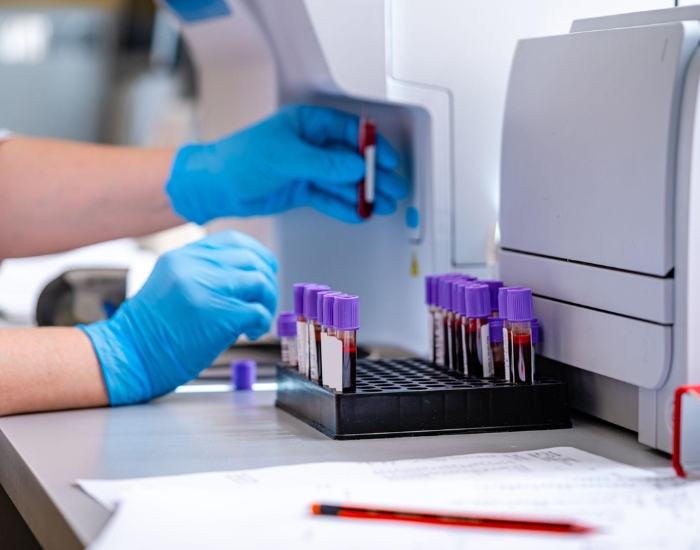




Getting a phone call that says you need to see a hematologist-oncologist can be unsettling, especially when the referral happened after what seemed like a routine blood test. You may immediately wonder, “Did they find cancer?” or “Does something serious show up in my blood?” Those questions are understandable, but a referral to a hematologist-oncologist does not automatically mean that you have cancer.
Important Note
An abnormal blood test can have many explanations, including infections, nutritional deficiencies, inflammation, medications, chronic medical conditions, or temporary changes that resolve on their own. A hematologist-oncologist is trained to sort through these possibilities and determine whether further evaluation is needed. Understanding why you were referred can replace some of the uncertainty with a clearer plan for what happens next.
Why Was I Referred to a Hematologist-Oncologist?
The most common reason for this type of referral is that a blood test showed an abnormality that your primary care doctor or another healthcare professional wants evaluated more closely. The abnormality may involve red blood cells, white blood cells, platelets, hemoglobin, or other blood-related measurements.
A hematologist specializes in disorders involving the blood and blood-forming tissues. A hematologist-oncologist has additional expertise in cancer, including cancers that affect blood cells and the bone marrow. This combination of training allows the specialist to investigate both cancerous and noncancerous causes of abnormal blood results.
For example, you might be referred because your complete blood count, commonly called a CBC, showed a persistent abnormality. Perhaps your hemoglobin was lower than expected, your platelet count was unusual, or your white blood cell count was higher or lower than the laboratory’s reference range.
Sometimes the reason is not a single dramatic result. Instead, your doctor may notice a pattern across several blood tests. A mildly abnormal result that persists, changes over time, or occurs alongside symptoms may deserve a closer look even when you otherwise feel well.
The referral is therefore best understood as a request for specialized evaluation—not as a diagnosis.
What Blood Test Results Can Lead to a Referral?
There is no single blood-test number that automatically means you need a hematologist-oncologist. Doctors consider the actual result, the degree of abnormality, your symptoms, your medical history, medications, previous laboratory results, and whether the finding continues over time.
A CBC is one of the most common tests involved because it measures several important components of the blood. These include red blood cells, white blood cells, platelets, hemoglobin, hematocrit, and other related measurements. The CBC can help doctors identify patterns that require additional investigation.
Low Hemoglobin or Anemia
Low hemoglobin may indicate anemia. Anemia has many possible causes. Iron deficiency, vitamin deficiencies, blood loss, chronic illness, kidney problems, inflammation, inherited conditions, and other disorders can all play a role.
Because the cause matters, a doctor may refer someone to hematology when anemia is unexplained, persistent, unusually severe, associated with other abnormal blood counts, or not responding as expected to initial treatment.
The referral does not mean the anemia is caused by cancer. It means your doctor wants a specialist to determine why your blood count is abnormal and whether additional testing is appropriate.
High or Low White Blood Cell Count
White blood cells are part of the immune system, so their numbers can change for many reasons. Infection, inflammation, medications, immune conditions, stress on the body, and other factors can affect white blood cell counts.
In some situations, however, a persistent or unusual white blood cell pattern may require specialist evaluation. Hematologists can examine the different types of white blood cells and, when appropriate, order additional testing to understand what is causing the change.
This is one reason people sometimes search for answers to questions such as “Can a high WBC mean cancer?” or “Why is my white blood cell count low?” The answer depends on the overall clinical picture rather than the number alone.
High or Low Platelet Count
Platelets help the blood form clots. A platelet count that is too high or too low can have many possible explanations.
Low platelets may occur with certain infections, medications, immune-related conditions, liver or spleen problems, nutritional issues, or disorders affecting blood-cell production. High platelets can also have multiple causes, including inflammation, infection, iron deficiency, and certain blood disorders.
When the reason is unclear or the abnormality is persistent or significant, a hematologist may be asked to investigate further.

Does a Hematology-Oncology Referral Mean Cancer?
No. Being referred to a hematologist-oncologist does not by itself mean that you have cancer.
This distinction is important because the word “oncologist” can understandably sound frightening. Hematology-oncology combines two related areas of medicine: hematology, which focuses on blood disorders, and oncology, which focuses on cancer.
Hematologists evaluate many noncancerous conditions, including anemia, bleeding disorders, clotting problems, and abnormal numbers of white blood cells or platelets. They also diagnose and treat blood cancers such as leukemia, lymphoma, and multiple myeloma.
Even when a blood test raises a question about cancer, an abnormal result alone usually is not enough to establish a cancer diagnosis. Doctors may need to repeat testing, examine a blood smear, perform additional laboratory studies, review your medical history, or use other diagnostic procedures depending on the situation.
For example, the National Cancer Institute notes that a CBC can help diagnose some cancers, particularly leukemias, but it is also a routine test used to evaluate many other health conditions.
Important Note
Try not to diagnose yourself from a single laboratory value. Seeing a result marked “high” or “low” on a patient portal can be alarming, but laboratory reference ranges are only one part of medical interpretation. Some abnormal results are temporary or have straightforward explanations. Others deserve additional testing. The purpose of seeing a hematologist-oncologist is to understand the whole picture rather than assume the worst from one number.
What Does a Hematologist-Oncologist Do?
A hematologist-oncologist evaluates conditions involving blood cells, bone marrow, lymph nodes, and related tissues while also diagnosing and treating cancers. The specialist may review your previous laboratory results, ask about symptoms, perform a physical examination, and determine whether additional tests are necessary.
Depending on the concern, the evaluation may focus on anemia, abnormal white blood cell counts, platelet abnormalities, bleeding or clotting problems, unexplained laboratory changes, or possible blood cancers.
If cancer is ultimately diagnosed, a medical oncologist can also help coordinate cancer treatment. Medical oncology may involve chemotherapy, hormonal therapy, biological therapy, targeted therapy, and supportive care depending on the type and characteristics of the cancer.
At Premier Oncology Consultants, patients can meet with board-certified medical oncologists who provide comprehensive cancer care and evaluate a range of cancer and blood-related concerns. The practice serves patients in the greater Houston metropolitan area, including Katy.
What Happens at the First Appointment?
If you have never seen a hematologist-oncologist before, you may be unsure what will happen when you arrive. In most cases, the first visit is focused on understanding why you were referred and deciding what evaluation, if any, should come next.
Your specialist will typically want to know what prompted the blood test, whether you have experienced symptoms, whether similar results have appeared in the past, and what medications or supplements you take.
Bring copies of relevant laboratory results and medical records if they are available. A list of medications, vitamins, and supplements can also be useful because some substances and medications can affect blood counts or laboratory measurements.
Your physician may ask about symptoms such as unusual fatigue, recurrent infections, unexplained bruising or bleeding, fevers, night sweats, changes in weight, or other concerns. These symptoms do not automatically indicate cancer, but they can help the specialist understand the significance of the blood-test findings.
A physical examination may also be performed. Depending on your situation, the physician may pay particular attention to lymph nodes, the abdomen, signs of bruising or bleeding, or other findings relevant to the blood abnormality.
The goal of the first appointment is not simply to label a result. It is to put the result into context and determine the most appropriate next step.
What Tests Might a Hematologist Order?
The tests you need depend entirely on the reason for the referral. Some people may only need repeat blood work or a few additional laboratory tests. Others may need more detailed evaluation.
A hematologist may review or order a CBC with differential, blood chemistry testing, iron or vitamin studies, clotting tests, or a peripheral blood smear. These tests can provide additional information about the number, types, and appearance of blood cells and about how other organs are functioning.
In certain circumstances, additional testing may be necessary. If a doctor suspects a disorder involving the bone marrow, for example, a bone marrow aspiration and biopsy may be considered. This is not automatically part of every hematology evaluation.
Specialized testing may also be used when the initial results suggest a particular blood disorder. The exact approach depends on what the doctor finds during the evaluation.
When Should You Be More Concerned About an Abnormal Blood Test?
An abnormal blood test deserves appropriate follow-up, but the level of concern depends on what is abnormal, how significant the change is, whether it persists, and whether you have other symptoms.
For example, a mildly abnormal result found during an illness may return to normal once the underlying infection resolves. On the other hand, a blood count that remains abnormal on repeated testing may deserve a more detailed evaluation.
Your doctor may be more likely to recommend hematology evaluation when several blood measurements are abnormal, when the change is persistent or unexplained, or when the laboratory findings occur alongside symptoms that require investigation.
Symptoms that may be relevant include persistent or unusual fatigue, recurrent infections, unexplained fevers, night sweats, unexplained weight changes, unusual bruising or bleeding, swollen lymph nodes, bone discomfort, or other persistent changes in your health.
It is important to put these symptoms into perspective. Each can have many causes that have nothing to do with cancer. Fatigue, for instance, can occur with anemia, sleep problems, infections, nutritional deficiencies, stress, thyroid disorders, and many other conditions. Similarly, night sweats can occur with infections, hormonal changes, medications, and other medical issues.
What matters is the combination of findings and the pattern over time. A hematologist-oncologist can help determine whether the abnormalities need further investigation and what that investigation should involve.
How Does a Hematologist Find the Cause of an Abnormal Blood Test?
There is rarely a single test that explains every abnormal blood result. Instead, diagnosis often involves putting several pieces of information together.
First, the specialist reviews the laboratory results in detail. This includes looking beyond the number that caught your attention. A CBC, for example, contains multiple measurements, and the relationship between those measurements can sometimes provide useful clues.
The doctor may also compare current results with previous blood tests. A result that has been stable for years can mean something very different from a new and rapidly changing abnormality.
Your medical history is another important part of the process. Recent infections, chronic medical conditions, medications, supplements, dietary factors, previous surgeries, family history, and other health issues may all help explain a blood-count change.
If further evaluation is needed, additional laboratory testing may help narrow down the possibilities. In some cases, imaging or other diagnostic procedures may be appropriate. If the findings raise concern for a condition involving the bone marrow or blood-forming tissues, specialized testing may be recommended.
The important point is that a referral is often the beginning of an investigation rather than the end of one. Your specialist is trying to answer a question: Why is this blood test abnormal, and does it require treatment or monitoring?
What Can Cause Abnormal Blood Counts Besides Cancer?
One of the most important things to remember after receiving an abnormal blood test is that cancer is only one possible explanation. In fact, many abnormal blood counts have noncancerous causes.
Infections can temporarily change white blood cell counts. Nutritional deficiencies can contribute to anemia. Certain medications can affect blood-cell production or platelet levels. Inflammation and autoimmune conditions may also influence blood counts.
Blood loss can cause anemia, while iron deficiency can affect both hemoglobin and other laboratory measurements. Kidney disease and other chronic conditions can also contribute to changes in blood-cell production.
Platelet abnormalities may similarly have a range of causes. A high platelet count can sometimes occur as a response to inflammation, infection, iron deficiency, or another underlying condition. A low platelet count may be associated with medications, infections, immune conditions, liver or spleen problems, or disorders affecting platelet production.
Because so many possibilities exist, it would be misleading to look at one abnormal value and conclude that cancer is present. Specialist evaluation is useful precisely because it helps separate common explanations from conditions that require closer attention.
This is also why online searches can sometimes increase anxiety. A search for “high WBC cancer” may produce information about leukemia, but that does not mean leukemia is the most likely explanation for your individual result. Medical interpretation requires context.
When Could an Abnormal Blood Test Be Related to Blood Cancer?
Some blood cancers can affect blood counts, including leukemia, lymphoma, and multiple myeloma. However, these conditions are diagnosed using a combination of clinical findings, laboratory testing, and, when necessary, additional diagnostic procedures.
Leukemia, for example, can affect the production and function of blood cells in the bone marrow. Depending on the type, a person may have abnormal white blood cell counts, anemia, low platelets, or other changes. But similar abnormalities can occur in many noncancerous conditions.
Lymphomas primarily involve lymphocytes and lymphatic tissues. Some patients may have swollen lymph nodes, fever, night sweats, fatigue, or unexplained weight loss, while others may have few symptoms initially.
Multiple myeloma affects plasma cells, a type of immune cell found in the bone marrow. Doctors may investigate it when particular combinations of symptoms or laboratory findings raise concern.
The important distinction is that these diseases are not diagnosed simply because one CBC result is outside the reference range. A specialist looks for patterns and uses appropriate diagnostic testing to establish or rule out specific conditions.
If your physician has referred you to a hematologist-oncologist, the most productive approach is to bring your questions and let the specialist explain what the results mean in your particular situation.

What Should You Do After Being Referred to a Hematologist-Oncologist?
First, make the appointment rather than assuming that the referral means something is seriously wrong. At the same time, do not ignore the referral simply because you feel well. Some blood abnormalities cause few or no noticeable symptoms.
Before the appointment, gather your recent blood-test results and, if possible, older laboratory reports. Having previous results can help the physician identify whether a change is new, persistent, or part of a longer pattern.
Make a complete medication list. Include prescription medications, over-the-counter products, vitamins, minerals, and herbal supplements. Do not stop a prescribed medication simply because you suspect it may be affecting your blood count. Instead, discuss the concern with your healthcare professional.
It can also help to write down symptoms you have noticed, even if they seem unrelated. Include when they started, whether they are getting better or worse, and whether anything appears to trigger them.
Finally, prepare a few questions. You might ask:
- Which blood-test result prompted the referral?
- How far outside the normal range was the result?
- Could an infection, medication, nutritional deficiency, or another condition explain it?
- Do I need repeat blood testing?
- Are there additional tests you recommend?
- What symptoms should prompt me to contact your office?
These questions can help turn an intimidating appointment into a useful conversation.
When Should You Seek More Immediate Medical Attention?
An abnormal blood test by itself does not usually tell you whether you need emergency care. However, certain new or severe symptoms should not wait for a routine specialist appointment.
For example, severe difficulty breathing, significant chest pain, fainting, uncontrolled bleeding, sudden confusion, or other potentially serious symptoms require prompt medical assessment. If you are experiencing a medical emergency, seek emergency medical care rather than waiting for an oncology appointment.
If your concern is primarily an abnormal laboratory result and you are otherwise stable, follow the instructions given by the clinician who ordered the test and arrange the recommended specialist evaluation.
Hematology-Oncology Evaluation in Houston and Katy
If you have been referred for an abnormal blood test and are looking for a hematologist-oncologist in the Houston area, choosing a practice that can evaluate the finding in the context of comprehensive cancer care may be helpful.
Premier Oncology Consultants serves patients in the greater Houston metropolitan area, with a Katy location at 410 West Grand Parkway South, Suite 4C, Katy, TX 77494. The practice is led by board-certified medical oncologists Dr. Shagufta Naqvi and Dr. Mohammad Riaz.
Patients who need information about the physicians can visit the Premier Oncology doctors page to learn more about the medical team.
Premier Oncology provides comprehensive cancer treatment in Houston, including medical oncology and chemotherapy, while collaborating with other specialists when radiation therapy or surgery is needed.
For patients who already have a cancer diagnosis or are being evaluated for a potentially serious condition, a timely consultation can help clarify what the available test results mean and what should happen next.
Ready to Understand Your Blood Test Results?
If you have been referred to a hematologist-oncologist because of an abnormal blood test, you do not have to interpret the results on your own. A specialist can review your laboratory findings, medical history, symptoms, and previous results to determine whether further evaluation is needed.
Request a consultation with Premier Oncology Consultants to discuss your concerns with an experienced oncology team serving Houston and Katy, Texas.
Frequently Asked Questions
Why Was I Referred to a Hematologist-Oncologist After a Blood Test?
You may have been referred because your blood test showed an abnormality involving red blood cells, white blood cells, platelets, hemoglobin, or another blood-related measurement. The referral allows a specialist to determine why the result is abnormal and whether additional testing is needed. It does not automatically mean that you have cancer.
Does Seeing a Hematologist-Oncologist Mean I Have Cancer?
No. Hematologist-oncologists evaluate many noncancerous blood conditions as well as blood cancers. Anemia, abnormal platelet counts, unusual white blood cell counts, bleeding disorders, and other blood-related problems may all lead to a hematology referral.
What Blood Tests Might Lead to a Hematology Referral?
A referral may follow an abnormal CBC, including an unexpectedly high or low white blood cell count, abnormal platelet count, low hemoglobin, unexplained anemia, or other persistent changes. The specific reason depends on your medical history and the pattern of your laboratory results.
Can an Abnormal CBC Mean Cancer?
An abnormal CBC can occur with some cancers, but it can also result from infections, inflammation, nutritional deficiencies, medications, chronic diseases, and many other conditions. A CBC alone generally cannot determine whether someone has cancer.
What Should I Bring to My First Hematologist Appointment?
Bring recent and previous blood-test results if available, your medication and supplement list, relevant medical records, information about your medical history, and a list of symptoms and questions. If another doctor referred you, make sure the specialist has the referral information and relevant records.
Will a Hematologist Repeat My Blood Test?
Possibly. Depending on the reason for the referral, your doctor may repeat the CBC or order additional laboratory tests. Reviewing a result over time can help determine whether an abnormality is temporary, persistent, improving, or changing.
Can Anemia Require a Hematologist?
Yes. Many cases of anemia can be evaluated and managed by a primary care clinician, but unexplained, persistent, severe, recurrent, or complex anemia may require a hematologist’s expertise. The specialist can investigate possible causes and recommend appropriate testing.
What Happens If the Hematologist Finds Something Concerning?
If the evaluation identifies a condition requiring treatment, your physician will explain the diagnosis and recommended next steps. Additional testing may sometimes be necessary before a diagnosis can be confirmed. If cancer is diagnosed, a medical oncologist can discuss treatment options and coordinate appropriate cancer care.
How Quickly Should I See a Hematologist After an Abnormal Blood Test?
The appropriate timing depends on the specific result, your symptoms, and the reason for the referral. Some referrals are routine, while others may require more prompt evaluation. Ask the clinician who ordered the test how quickly they recommend you be seen.
Final Thoughts
Being referred to a hematologist-oncologist after a blood test can be frightening, particularly when you do not yet know why the referral was made. But the referral itself is not a cancer diagnosis.
Abnormal blood counts have many possible causes, and the job of a hematologist-oncologist is to investigate those possibilities carefully. The specialist may review previous laboratory results, look for patterns, consider your symptoms and medical history, and recommend additional testing when appropriate.
If you have been referred, try to focus on the next step rather than the worst possible explanation. Bring your questions, medical records, and medication list to the appointment. Getting a clear medical explanation is often the best way to replace uncertainty with a plan.
Medical Disclaimer
This article is for general educational purposes only and is not a substitute for personalized medical advice, diagnosis, or treatment. An abnormal blood test can have many possible causes, and only a qualified healthcare professional who reviews your individual history and test results can determine what they mean. If you have concerning or severe symptoms, seek appropriate medical care promptly.