


Feeling tired is a normal part of modern life. Between work, family, and daily responsibilities, almost everyone experiences periods of exhaustion. However, what happens when that tiredness becomes completely overwhelming, out of nowhere, and refuses to improve with a good night’s sleep? If you live in the Houston or Katy area and are experiencing bone-crushing fatigue, it is crucial to listen to your body. While being tired is common, a sudden drop in your red blood cells (anemia) is not. Understanding the difference between a busy lifestyle and clinical anemia can help you determine when it is time to seek a professional oncology evaluation for underlying conditions like blood or colon cancer.
Common Non-Cancerous Causes of Anemia
Before assuming your fatigue is linked to a frightening diagnosis, it is highly reassuring to know that the vast majority of anemia cases are completely benign and easily treatable. Anemia simply means your body lacks enough healthy red blood cells to carry adequate oxygen to your tissues.
The most frequent harmless culprits include:
- Iron Deficiency: The most common cause worldwide, often stemming from a diet low in iron or an inability to absorb it properly.
- Heavy Menstrual Bleeding: Women experiencing heavy periods or uterine fibroids can lose more red blood cells than their bodies can replace each month.
- Vitamin Deficiencies: A lack of Vitamin B12 or folate in your diet can severely impair your bone marrow’s ability to produce healthy red blood cells.
- Chronic Kidney Disease: The kidneys produce a hormone called erythropoietin (EPO) that tells the bone marrow to make red blood cells; damaged kidneys cannot produce enough of it.
- Pregnancy: The increased blood volume and demands of a growing baby can naturally lead to mild anemia.
How Does Cancer Cause Anemia?
If benign causes like diet, heavy periods, and kidney issues have been ruled out, unexplained anemia must be carefully investigated. Cancer can disrupt your blood count in a few distinct, aggressive ways—either by directly attacking the bone marrow or by causing slow, hidden blood loss.
Cancer-related anemia is typically caused by:
- Gastrointestinal Bleeding: Cancers of the colon, rectum, or stomach often bleed slowly over a long period. This microscopic blood loss in the stool slowly drains the body’s iron stores, leading to severe anemia before any other symptoms appear.
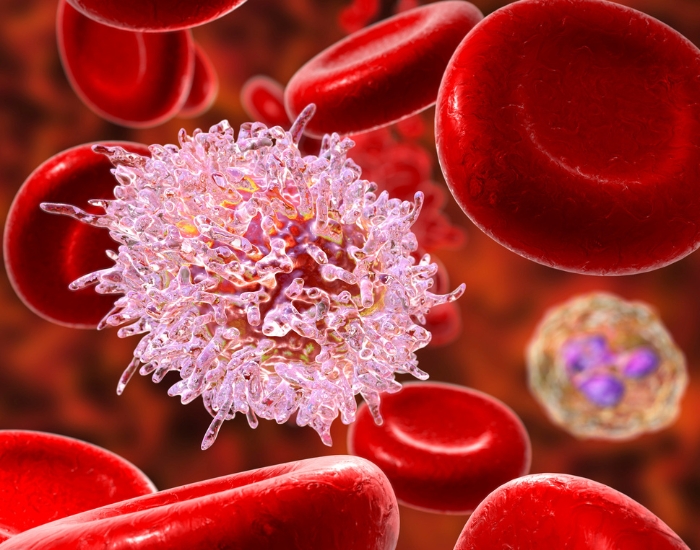
- Blood Cancers: Leukemia, lymphoma, and multiple myeloma originate in the bone marrow or lymphatic system. As cancer cells multiply rapidly, they literally crowd out the healthy cells, leaving no room for the marrow to produce normal red blood cells.
- Metastatic Cancer: When cancers from the breast, prostate, or lung spread to the bones, they can disrupt the marrow’s ability to function normally.
- Anemia of Chronic Disease: The systemic inflammation caused by a growing tumor can trick the body into hoarding iron, preventing it from being used to create new red blood cells.
When to Worry: Red Flags You Shouldn’t Ignore
Distinguishing between normal exhaustion and a potentially life-threatening condition requires careful attention to the severity of your fatigue and any accompanying physical symptoms. Early detection of blood cancers or GI malignancies is critical for a successful treatment outcome.
Seek an immediate medical evaluation if your exhaustion is accompanied by:
- A noticeably pale or yellowish (jaundiced) complexion, especially in the face or gums
- Unexplained and rapid weight loss
- Shortness of breath or a racing heartbeat with very minimal physical exertion (like walking to the mailbox)
- Frequent, unexplained bruising or bleeding gums
- Dark, tarry, or bloody stools
- Persistent, low-grade fevers or drenching night sweats
- Swollen, painless lymph nodes in your neck, armpits, or groin
How Is Anemia Diagnosed?
Guessing the cause of severe exhaustion is never safe. Your oncologist or primary care physician will conduct a thorough clinical evaluation to map your blood health and locate the root cause of the deficiency.
To pinpoint the diagnosis, your provider may recommend:
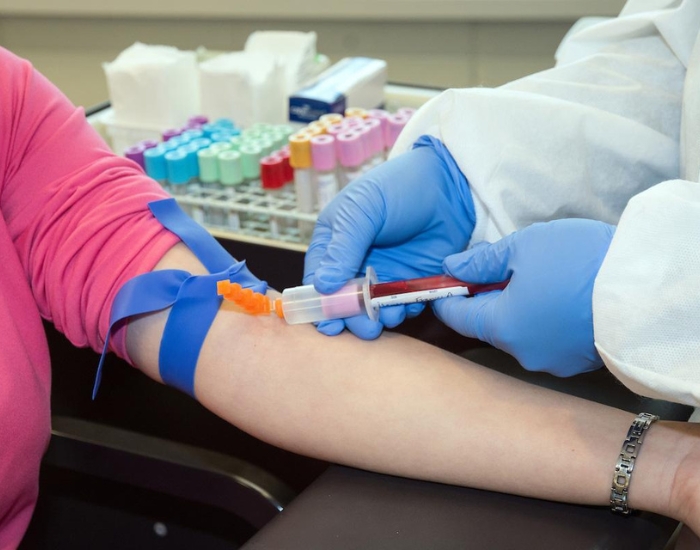
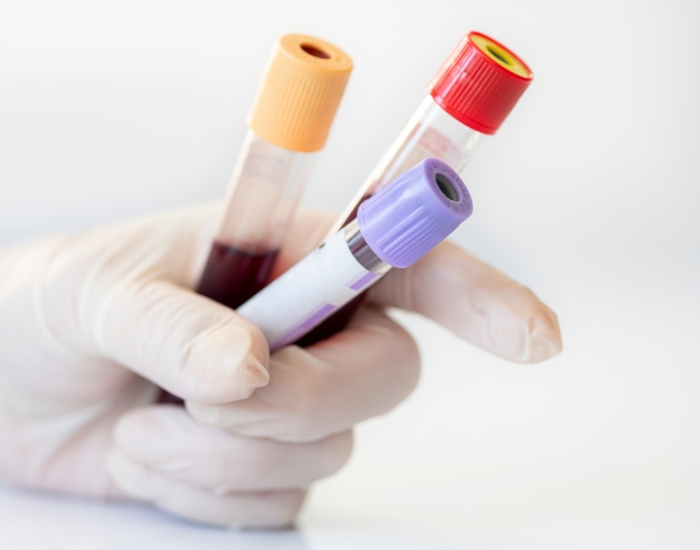
- Complete Blood Count (CBC): A simple blood test to measure the exact number, size, and shape of your red blood cells, white blood cells, and platelets.
- Iron and Vitamin Panels: To determine if your anemia is simply caused by a nutritional deficiency or an inability to absorb vitamins.
- Endoscopy or Colonoscopy: If a GI bleed is suspected, a specialist will visually inspect your stomach and colon for hidden bleeding ulcers, polyps, or malignant tumors.
- Bone Marrow Biopsy: If a blood cancer is suspected, a small sample of bone marrow is extracted (usually from the hip bone) and examined under a microscope by a pathologist to check for leukemia, lymphoma, or myeloma cells.
Treatment and Next Steps
Treatment depends entirely on the root cause of the anemia. If the cause is benign, your doctor will help you manage the underlying condition by prescribing high-dose iron supplements, B12 injections, or dietary changes.
If a cancer diagnosis is confirmed, a specialized oncology team will step in to create a customized, aggressive care plan:
- Supportive Care: You may receive targeted blood transfusions or synthetic EPO injections to rapidly boost your red blood cell count and relieve extreme fatigue.
- Treating the Bleed: If the anemia is caused by a bleeding colon or stomach tumor, surgical intervention is often required to remove the mass and stop the blood loss.
- Systemic Oncology Treatment: Utilizing chemotherapy, targeted drug therapy, or radiation to eradicate the underlying blood cancer or metastatic disease that is suppressing your bone marrow.
Local Oncology Care in Houston & Katy
When you are dealing with alarming symptoms like extreme shortness of breath, unexplained bruising, and relentless fatigue, you need clear answers without the agonizing wait. Our team focuses on providing rapid diagnostics, compassionate support, and state-of-the-art oncology care. We utilize the latest medical advancements to evaluate and treat both benign blood disorders and complex malignancies safely and effectively.
If you are concerned about unusual blood test results or severe fatigue, our top board-certified oncologists in Houston, Katy, Cypress, and The Woodlands are available to help. We offer thorough diagnostic evaluations and personalized treatment plans tailored specifically to your health needs.
Frequently Asked Questions
Does taking an iron pill fix all types of anemia?
No. Iron supplements will only help if your anemia is specifically caused by an iron deficiency. If your anemia is caused by a blood cancer, bone marrow failure, or a vitamin B12 deficiency, taking extra iron will not improve your red blood cell count.
Why does anemia make me feel short of breath?
Your red blood cells carry oxygen from your lungs to the rest of your body. When you do not have enough of them, your heart and lungs have to work twice as hard to pump what little oxygen you have, leading to a feeling of breathlessness even when resting.
Can a routine blood test detect leukemia?
A routine Complete Blood Count (CBC) is often the very first test that raises a red flag for leukemia or lymphoma. It can show abnormally high numbers of abnormal white blood cells and dangerously low numbers of red blood cells and platelets.
Get Evaluated Today
Do not wait and wonder if your energy will eventually return on its own. Ignoring progressive fatigue and shortness of breath allows potential issues to compromise your organs and overall health. Getting a professional evaluation is the only way to gain true peace of mind and catch serious conditions like colon cancer or lymphoma in their earliest, most treatable stages. Our team is here to guide you through a transparent and prompt diagnostic process. Take control of your health and get the answers you need today. Request a call back or book your same-day oncology consultation.
Related Resources
- Colorectal Cancer Signs & Symptoms
- Non-Hodgkin’s Lymphoma Overview
- Early Cancer Detection in Houston
Disclaimer
This content is for informational purposes only and should not be considered medical advice, diagnosis, or treatment. Always consult a qualified healthcare provider or oncologist for personalized medical guidance. If you are experiencing sudden, severe chest pain, extreme dizziness, or fainting spells, seek emergency medical attention or call 911 immediately.