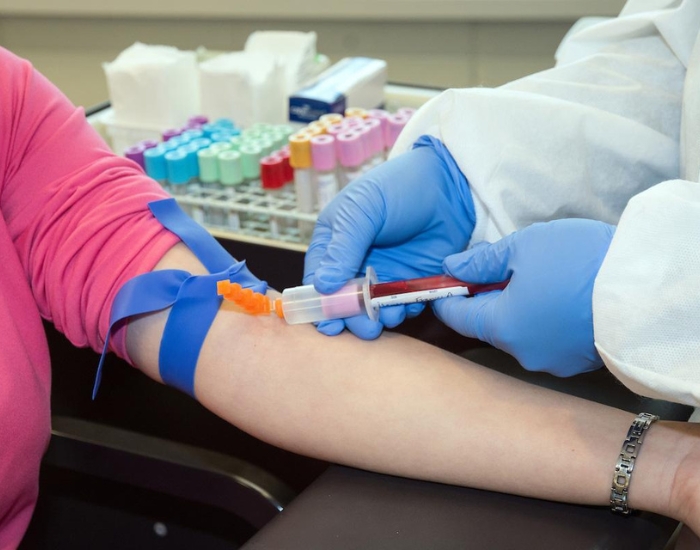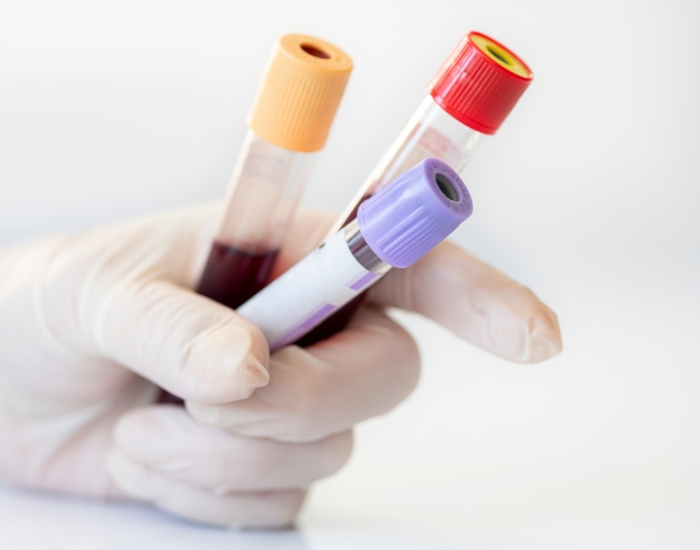



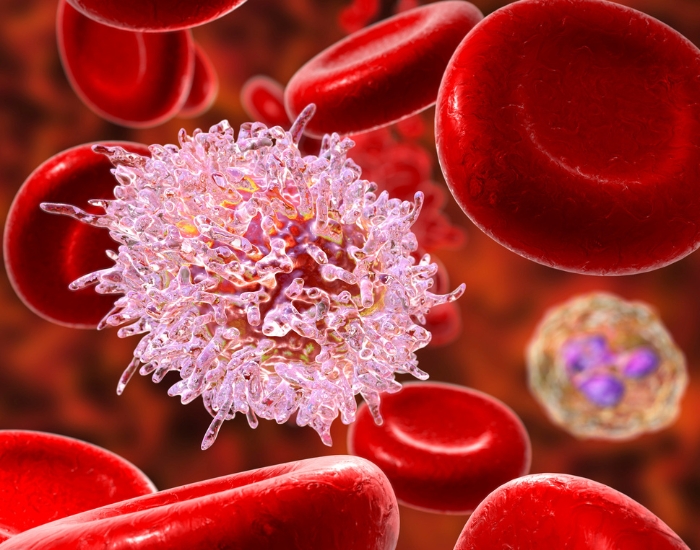
If your blood test shows a high platelet count, it is understandable to wonder what it means. Many people see an abnormal CBC result and immediately think about cancer, especially when the number is significantly above the laboratory’s reference range. The good news is that high platelets do not automatically mean cancer. In fact, infections, inflammation, iron deficiency, recent surgery, blood loss, and other noncancerous conditions can cause the platelet count to rise.
Important Note
An elevated platelet count can be unsettling, but one abnormal blood test does not tell the whole story. Platelets can increase for many temporary and treatable reasons. Understanding whether the elevation is mild, persistent, or associated with other abnormal blood findings can help your doctor determine whether you simply need follow-up testing or a more detailed hematology evaluation.
Can High Platelets Mean Cancer?
Yes, some cancers can be associated with a high platelet count, but high platelets alone do not mean that you have cancer.
An elevated platelet count is called thrombocytosis. Doctors generally think about thrombocytosis in two broad ways: a rise in platelets caused by another condition, often called reactive or secondary thrombocytosis, and a rise related to a disorder in the bone marrow that directly affects blood-cell production.
Reactive thrombocytosis is much different from a blood cancer. For example, your platelet count may temporarily rise after an infection, inflammation, surgery, trauma, or significant blood loss. Iron deficiency can also be associated with an elevated platelet count.
On the other hand, certain blood disorders known as myeloproliferative neoplasms can cause the bone marrow to produce too many platelets. Some solid tumors may also be associated with elevated platelet levels, sometimes because cancer-related inflammation changes how the body produces blood cells.
That distinction is important. If your CBC shows high platelets, the next question is not simply, “Do I have cancer?” Instead, your doctor needs to ask, “Why are the platelets high, and does the pattern persist?”
What Are Platelets and Why Do They Matter?
Platelets are small blood components produced in the bone marrow. They circulate through the bloodstream and play an important role in blood clotting.
When a blood vessel is damaged, platelets help gather at the injured area and contribute to the formation of a clot. This process helps prevent excessive bleeding.
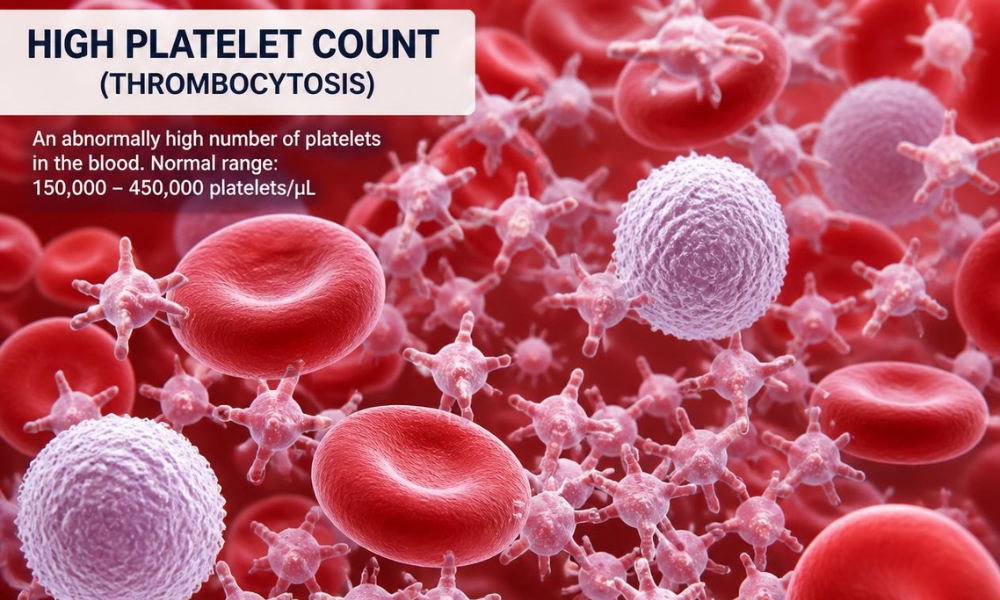
The body normally keeps platelet production within a controlled range. When the platelet count rises above the laboratory’s normal range, doctors may refer to the finding as thrombocytosis.
It is important to remember that the platelet count is only one part of a CBC. A physician will usually consider it alongside your white blood cell count, hemoglobin, red blood cell measurements, other laboratory results, symptoms, medical history, and previous blood tests.
For that reason, a platelet number should rarely be interpreted in isolation.
For example, high platelets together with low hemoglobin may point the doctor toward a different set of possibilities than high platelets accompanied by elevated white blood cells. A platelet count that was normal six months ago may also mean something different from a count that has remained elevated for several years.
The pattern matters.
What Causes a High Platelet Count?
There are many possible causes of thrombocytosis, and cancer is only one consideration among many.
One of the most common explanations is that the body is responding to another condition. When inflammation, infection, blood loss, or tissue injury occurs, the body can produce chemical signals that stimulate the bone marrow to make more platelets.
Infections
Some bacterial or viral infections can temporarily increase platelet production. The elevation may become apparent during the illness or while the body is recovering.
If your platelet count is high after a recent infection, your doctor may recommend repeating the CBC after you have recovered. If the platelet level returns toward normal, that can provide an important clue about the cause.
Inflammation
Inflammatory conditions can also cause thrombocytosis. Chronic inflammatory diseases and acute inflammatory processes may stimulate the body’s blood-producing system.
This is one reason doctors may look beyond the CBC when evaluating high platelets. Other laboratory findings, symptoms, and your medical history can help determine whether inflammation could be contributing to the result.
Iron deficiency
Iron deficiency is another important cause of an elevated platelet count. In some people, the platelet count increases while hemoglobin is low or other findings suggest iron deficiency.
If your CBC shows both high platelets and anemia, your physician may investigate whether iron deficiency or blood loss could be contributing to the pattern.
Recent surgery or tissue injury
Platelets may increase while the body is recovering from surgery, trauma, or another significant physical stress. This can be part of the body’s normal response to tissue injury.
Again, the timing matters. A temporary elevation following a major medical event may be interpreted differently from a persistently elevated platelet count with no obvious explanation.
Blood loss
Blood loss can sometimes be associated with thrombocytosis. The underlying reason for the blood loss may also need investigation, particularly when it is unexplained or ongoing.
For example, persistent gastrointestinal blood loss can contribute to iron deficiency, which may in turn be associated with an elevated platelet count.
Removal of the spleen
The spleen plays several roles in managing circulating blood cells, including platelets. People who have had their spleen removed can have higher platelet counts because platelets are no longer being processed and stored in the same way.
This history is therefore important when a doctor reviews an unexpectedly high platelet count.
What Is Reactive Thrombocytosis?
Reactive thrombocytosis means that the platelet count is elevated because the body is responding to another condition.
This is different from a primary blood disorder in which the bone marrow itself is producing excessive numbers of platelets because of an underlying abnormality.
Reactive thrombocytosis may occur with infections, inflammation, iron deficiency, blood loss, surgery, trauma, and other medical conditions. Once the underlying problem improves, the platelet count may also return toward its usual range.
This is why a single high platelet result does not necessarily require an immediate conclusion about cancer.
Doctors often look at the entire clinical picture. They may ask whether you recently had an illness, whether you have symptoms of inflammation, whether you have experienced unusual bleeding, whether your diet or medical history suggests iron deficiency, and whether previous CBCs also showed elevated platelets.
In some situations, simply repeating the CBC after an appropriate interval provides useful information. If the platelet count normalizes, the original elevation may have been reactive. If it remains high without an obvious explanation, further evaluation may be appropriate.
Important Note
Seeing the word “high” beside your platelet count can make your mind jump to the worst possibility. Try not to interpret the result on its own. High platelets can occur for reasons that have nothing to do with cancer. What matters is the overall pattern, whether the elevation persists, and whether other blood-test abnormalities or symptoms are present.
When Can High Platelets Be Related to Cancer?
Some cancers can be associated with thrombocytosis, but an elevated platelet count is not specific enough to diagnose cancer.
In certain situations, cancer can trigger inflammation throughout the body. Inflammatory signals can stimulate the bone marrow and lead to increased platelet production. This means that thrombocytosis may sometimes occur as part of the body’s response to an underlying malignancy.
Some blood cancers and bone marrow disorders can also directly affect platelet production. In these conditions, the bone marrow may produce excessive numbers of platelets or other blood cells.
One example is essential thrombocythemia, a myeloproliferative neoplasm in which the bone marrow produces too many platelets. Other myeloproliferative disorders can also affect platelet levels.
However, doctors do not diagnose these conditions simply by seeing a high platelet number. Persistent thrombocytosis may lead to additional testing, particularly when there is no obvious reactive cause.
What makes doctors investigate further?
A platelet count that remains elevated on repeated testing deserves more attention than a single abnormal result that occurs during an acute illness.
Doctors may become more interested in investigating the cause when the platelet elevation is persistent, particularly high, unexplained, or accompanied by other abnormal CBC results.
Symptoms and medical history also matter. Unexplained blood clots, unusual bleeding, persistent headaches, visual changes, unexplained weight loss, night sweats, fevers, or other concerning symptoms may influence the decision to investigate further.
These symptoms do not prove that cancer or a blood disorder is present. They simply provide additional information that helps a physician decide what needs to be evaluated.
What Symptoms Can Occur With High Platelets?
Many people with an elevated platelet count have no symptoms at all. The high platelet count is often discovered accidentally during a routine CBC performed for another reason.
When symptoms do occur, they may depend on the underlying cause or, in some cases, on abnormal blood clotting associated with certain platelet disorders.
Some people may report headaches, dizziness, visual changes, unusual sensations in the hands or feet, or symptoms related to circulation. Others may experience symptoms caused by the condition responsible for the elevated platelet count rather than by the platelet elevation itself.
For example, someone with iron deficiency may experience fatigue or weakness. Someone recovering from an infection may have fever or other infection-related symptoms. Someone with chronic inflammation may experience symptoms associated with the inflammatory condition.
This is why it is difficult to determine the cause of thrombocytosis simply by looking at symptoms.
If you develop sudden chest pain, difficulty breathing, sudden weakness, trouble speaking, or other potentially serious symptoms, seek urgent medical attention rather than assuming they are simply related to a routine blood-test abnormality.
When Should You Worry About a High Platelet Count?
A high platelet count deserves medical follow-up when it is persistent, unexplained, significantly elevated, or associated with other concerning findings.
One abnormal CBC does not necessarily mean something serious is happening. Your doctor may first determine whether there is an obvious temporary explanation and whether the platelet count changes when the underlying issue improves.
However, you should take the result seriously enough to discuss it with your healthcare provider, particularly if you have never had an elevated platelet count before or if the result is substantially different from your previous tests.
Persistent elevation
If platelet levels remain elevated on repeated CBCs without a clear explanation, your physician may recommend further evaluation.
Other abnormal blood counts
High platelets accompanied by abnormalities in white blood cells, red blood cells, hemoglobin, or other CBC measurements may require a closer look at the overall blood-cell pattern.
Unexplained symptoms
Persistent fever, night sweats, unexplained weight loss, unusual bruising or bleeding, recurrent symptoms, or other unexplained changes should be discussed with your doctor.
History of blood clots
A history of unexplained or recurrent blood clots may be particularly relevant when doctors are evaluating persistent thrombocytosis. Your healthcare provider can determine whether the platelet count could be connected to your overall risk profile.
How Do Doctors Find the Cause of High Platelets?
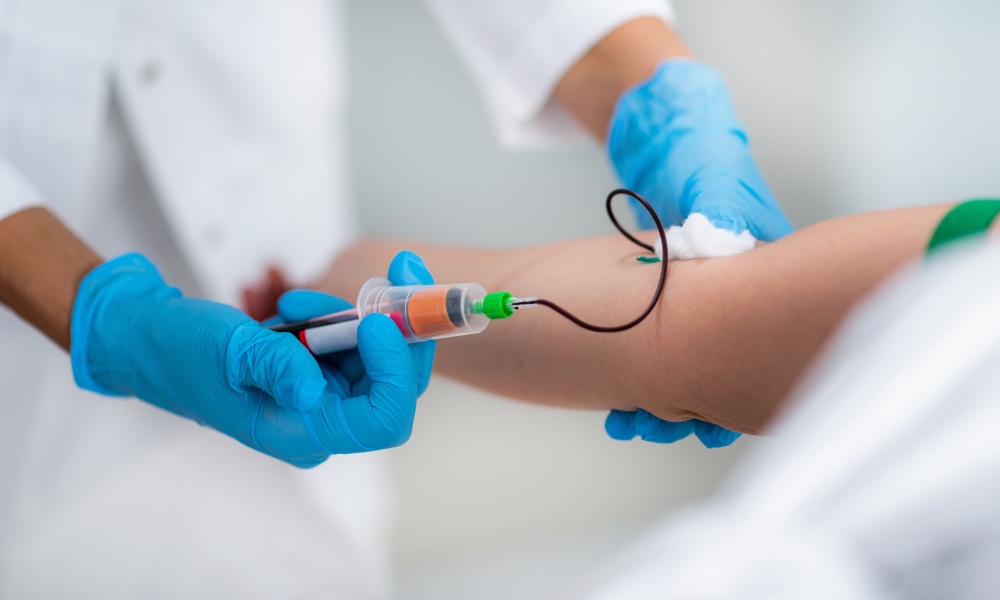
Diagnosing the cause of thrombocytosis usually begins with the CBC itself, but the evaluation rarely stops there.
Your doctor may compare the current platelet count with previous laboratory results. This helps determine whether the elevation is new, temporary, or persistent.
Your medical history is equally important. Your physician may ask about recent infections, inflammation, surgery, injuries, bleeding, medications, chronic illnesses, and previous blood-test abnormalities.
The rest of the CBC can provide additional clues. Doctors may examine the hemoglobin level, red blood cell indices, white blood cell count, and platelet trend rather than focusing on a single number.
Depending on the circumstances, additional blood tests may be recommended to evaluate iron status, inflammation, infection, or other possible causes.
If a primary bone marrow disorder is suspected, a hematologist may consider specialized testing, including molecular testing or other investigations. A bone marrow examination may be appropriate in selected cases.
The goal is to identify the reason behind the elevated platelet count rather than simply label the result as abnormal.
When Should You See a Hematologist?
A hematologist may be recommended when a high platelet count remains elevated without an obvious explanation, especially when the finding persists on repeat blood tests or occurs alongside other abnormal CBC results.
Seeing a hematologist does not mean that you have cancer. Hematologists evaluate many conditions that affect blood cells, including anemia, abnormal platelet counts, clotting disorders, and benign blood abnormalities. The purpose of the consultation is to determine why the platelet count is elevated and whether additional testing is necessary.
Your primary care doctor may refer you when a high platelet count cannot be explained by a recent infection, inflammation, iron deficiency, surgery, blood loss, or another known cause. A referral may also be appropriate when the platelet elevation is accompanied by unusual symptoms or abnormalities involving other blood-cell types.
What happens during the appointment?
Your hematologist will typically begin by reviewing your medical history, symptoms, medications, previous blood tests, and the current CBC. The specialist may want to know whether the platelet count has been elevated for weeks, months, or years.
Depending on your individual situation, the evaluation may include additional blood tests or other diagnostic studies. The goal is to distinguish reactive thrombocytosis from a primary blood or bone marrow disorder.
Before the appointment, it can be helpful to bring copies of recent laboratory results and a current list of medications, vitamins, and supplements. If you have experienced unusual symptoms, write them down so you can discuss when they started and whether they have changed over time.
How Is a High Platelet Count Treated?
There is no single treatment for a high platelet count because treatment depends on the underlying cause.
If an infection is responsible, treating the infection and allowing the body to recover may cause the platelet count to return toward normal. When inflammation is the cause, managing the underlying inflammatory condition may have a similar effect.
If iron deficiency is contributing to thrombocytosis, your physician may investigate why your iron levels are low and recommend appropriate treatment. Correcting the underlying deficiency can sometimes bring the platelet count down.
When thrombocytosis is associated with recent surgery, trauma, or another temporary physical stress, the platelet elevation may resolve as recovery progresses.
Primary blood disorders require a different approach. If testing identifies a myeloproliferative neoplasm or another hematologic condition, a hematologist will develop a treatment or monitoring plan based on the specific diagnosis and your individual risk factors.
Some patients may only need regular blood-count monitoring, while others may require medication or treatment intended to reduce the risk of complications. The appropriate approach depends on the underlying condition rather than the platelet number alone.
How Do Doctors Check Whether High Platelets Could Be Related to Cancer?
There is no single blood test that can determine whether an elevated platelet count is caused by cancer.
Instead, physicians look for patterns. They may review how long the platelet count has been elevated, whether other CBC values are abnormal, whether there are unexplained symptoms, and whether there is evidence of infection, inflammation, iron deficiency, or another noncancerous explanation.
Your medical history can provide important context as well. For example, a patient recovering from surgery who develops a temporary platelet elevation may require a very different evaluation from someone whose platelet count has been persistently high without an identifiable cause.
If a blood disorder is suspected, a hematologist may order specialized testing to examine how blood cells are being produced. If symptoms or other findings suggest a possible solid tumor, additional evaluation may be considered based on those specific findings.
This is why an elevated platelet count should be viewed as a clue rather than a diagnosis.
Can High Platelets Be an Early Sign of Cancer?
In some situations, an elevated platelet count can occur before a cancer diagnosis, but this does not mean that most people with high platelets have cancer.
Certain cancers can trigger inflammation that affects platelet production. Research has also found associations between thrombocytosis and several types of cancer. However, thrombocytosis is not specific enough to serve as a cancer diagnosis or screening test by itself.
If you have persistent, unexplained thrombocytosis, your doctor may investigate possible causes rather than assuming that the result is harmless or cancerous.
The appropriate evaluation depends on your age, medical history, symptoms, physical examination, previous laboratory results, and other risk factors. If another finding points toward a specific condition, your physician can determine whether additional testing is appropriate.
Can You Prevent a High Platelet Count?
Not every cause of thrombocytosis can be prevented. Platelet counts can rise as a natural response to infections, injuries, inflammation, and other medical conditions that are not always under your control.
However, addressing underlying health problems and keeping up with recommended medical care can help identify persistent abnormalities sooner.
If you have a condition known to affect your blood counts, follow your healthcare provider’s recommendations for laboratory monitoring. Do not start aspirin, blood thinners, or other medications on your own simply because your platelet count is high. These medications can have important risks and are appropriate only for certain patients.
A healthy lifestyle is also important for overall cardiovascular health, but lifestyle changes should not be viewed as a substitute for evaluating an unexplained or persistent platelet elevation.
Can High Platelets Cause Blood Clots?
In some platelet disorders, a very high or abnormal platelet count can be associated with an increased risk of blood clots. The relationship is more complicated than simply saying that a higher number always means a higher risk.
The underlying cause of the thrombocytosis matters. Reactive thrombocytosis and primary platelet disorders can have different clinical implications, and the overall risk also depends on factors such as age, previous clotting events, other medical conditions, and the specific diagnosis.
This is one reason your doctor should interpret the platelet count in context rather than relying on the number alone.
If you develop sudden chest pain, significant difficulty breathing, sudden weakness or numbness, difficulty speaking, or another potentially serious symptom, seek urgent medical care.
Hematology-Oncology Care in Houston and Katy
If you have persistent or unexplained high platelets and need specialist evaluation, Premier Oncology Consultants provides comprehensive oncology and hematology-related care for patients in the Greater Houston area.
The practice has a Katy location at 410 West Grand Parkway South, Suite 4C, Katy, TX 77494, and serves patients from Katy, Houston, Cypress, and surrounding communities.
Premier Oncology Consultants is led by board-certified medical oncologists Dr. Shagufta Naqvi and Dr. Mohammad Riaz. Dr. Riaz also completed a fellowship in palliative medicine at Cleveland Clinic.
If you are looking for an oncologist in Houston, the practice can help evaluate abnormal findings and determine whether further cancer-related or hematologic assessment is appropriate.
For patients who ultimately require cancer treatment, Premier Oncology Consultants provides comprehensive cancer treatment in Houston, including medical oncology services and chemotherapy. You can also learn more about the physicians through the practice’s oncology doctors information.
High Platelet Count FAQs
Does a high platelet count mean cancer?
No. High platelets do not automatically mean cancer. Infections, inflammation, iron deficiency, blood loss, surgery, and several other conditions can cause thrombocytosis. Some cancers and blood disorders can also be associated with elevated platelets, so persistent unexplained abnormalities may require further evaluation.
What is considered a high platelet count?
A platelet count above the reference range used by the laboratory is generally considered elevated. Many clinical references define thrombocytosis as a platelet count above approximately 450,000 platelets per microliter of blood, although interpretation should always consider the laboratory range and the patient’s overall clinical situation.
Can an infection cause high platelets?
Yes. Infections can stimulate the body’s inflammatory response and temporarily increase platelet production. The count may return toward normal after the underlying infection resolves.
Can iron deficiency cause high platelets?
Yes. Iron deficiency can be associated with an elevated platelet count. When high platelets occur together with anemia or other findings suggesting low iron, your physician may evaluate iron levels and look for the underlying cause of the deficiency.
Can leukemia cause high platelets?
Some blood cancers and bone marrow disorders can affect platelet production, but a high platelet count by itself cannot diagnose leukemia. A hematologist may use the complete CBC pattern, blood smear, medical history, and additional testing to determine the cause.
When should I see a hematologist for high platelets?
You may need to see a hematologist when the platelet count remains high on repeated tests, has no obvious explanation, is accompanied by other abnormal blood counts, or occurs alongside concerning symptoms or a history of abnormal clotting.
Can high platelets go back to normal?
Yes. If the elevation is caused by a temporary condition such as an infection, inflammation, blood loss, or another reversible problem, the platelet count may return toward its usual range after the underlying issue improves.
Should I take aspirin if my platelets are high?
Do not start aspirin on your own because of an elevated platelet count. Whether aspirin is appropriate depends on the underlying cause, your cardiovascular and bleeding risks, and other medical factors. Your healthcare provider should make that decision.
Can high platelets be the only abnormal blood-test result?
Yes. Some people have an isolated platelet elevation while their other CBC measurements remain within the reference range. Your doctor may still recommend repeat testing to determine whether the elevation is temporary or persistent.
What Should You Do If Your Platelet Count Is High?
A high platelet count deserves attention, but it does not automatically point to cancer. The most useful next step is to understand why the platelet count is elevated and whether the finding persists.
If your physician recommends repeat blood testing, additional laboratory work, or a hematology consultation, follow through with that evaluation. A specialist can help determine whether the elevation is reactive, related to another medical condition, or associated with a blood or bone marrow disorder.
Need Help Understanding an Abnormal Blood Test?
If you have persistent high platelets or other unexplained CBC abnormalities, Premier Oncology Consultants can help you understand what may be causing the change and whether additional evaluation is appropriate. Contact the practice to request an oncology consultation in the Houston or Katy area.
Medical Disclaimer
This article is intended for general educational purposes and does not replace professional medical advice, diagnosis, or treatment. A high platelet count can have many causes, and the significance of an abnormal result depends on your medical history, symptoms, other blood-test findings, and platelet trends over time. If you have concerns about an abnormal CBC or persistent symptoms, speak with a qualified healthcare professional.