


Watching a loved one battle cancer is incredibly difficult, but it often brings up another deeply personal fear: Will this happen to me? If you have a family tree with multiple cancer diagnoses, it is completely normal to feel anxious about your own future. However, having a family history does not mean a cancer diagnosis is inevitable. If you live in the Houston or Katy area, understanding the true nature of hereditary cancer and knowing when to seek a professional oncology evaluation can empower you to take control of your health through early screening and prevention.
Inherited vs. Sporadic Cancers
Before you panic about your genetic destiny, it is highly reassuring to know the statistics. The vast majority of cancers—about 90% to 95%—are completely sporadic. This means they happen by chance due to aging, lifestyle factors, or environmental exposures, rather than being passed down through a family bloodline.
Only 5% to 10% of all cancers are strongly linked to an inherited gene mutation. When these specific mutations (like BRCA1 or BRCA2) are passed from a parent to a child, they significantly increase the child’s lifetime risk of developing certain types of tumors.
The Most Common Hereditary Cancers
While any cancer can happen by chance, a few specific types are much more likely to be linked to a hereditary genetic mutation. If these cancers run in your family, your baseline risk may be higher than average.
The most frequent hereditary culprits include:
- Breast and Ovarian Cancer: Strongly linked to BRCA1 and BRCA2 gene mutations. These mutations not only increase the risk of breast and ovarian cancer in women but also increase the risk of male breast cancer and prostate cancer in men.
- Colorectal Cancer: Lynch Syndrome and Familial Adenomatous Polyposis (FAP) are inherited disorders that drastically increase the risk of developing colon and rectal cancers, often at a very young age.
- Prostate Cancer: While common in older men, prostate cancer that strikes multiple men in a family—or strikes at an unusually young age—can be tied to inherited gene mutations.
- Melanoma: About 10% of all melanomas are familial. Inherited mutations can make your skin highly susceptible to this aggressive skin cancer, even without excessive sun exposure.
When to Worry: Red Flags You Shouldn’t Ignore
Distinguishing between a coincidental cluster of sporadic cancers and a true hereditary genetic mutation requires looking for specific patterns in your family tree. Early cancer detection and proactive screening are the most critical factors in preventing hereditary cancers.
Seek an immediate medical evaluation or genetic counseling if your family history includes:
- Cancer at a young age: A first-degree relative (parent, sibling, or child) diagnosed with cancer before the age of 50.
- Multiple generations affected: The same type of cancer appearing in your grandparent, parent, and sibling.
- Multiple cancers in one person: A single family member who was diagnosed with more than one primary type of cancer (e.g., breast and ovarian cancer in the same woman).
- Rare cancers: Diagnoses of unusual cancers, such as male breast cancer or certain types of sarcomas.
- Bilateral cancers: Cancer developing in both of a set of paired organs, such as both breasts, both kidneys, or both ovaries.
How Is Genetic Cancer Risk Diagnosed?
Guessing your risk based solely on family stories is never an accurate strategy. Your oncologist or a certified genetic counselor will conduct a thorough clinical evaluation to map your true genetic risk profile.
To pinpoint your risk, your provider may recommend:
- Family History Mapping: Creating a detailed, three-generation family tree noting exactly who got cancer, what type, and at what age.
- Genetic Counseling: A specialized consultation to discuss whether genetic testing is right for you, what the results could mean, and how it might impact your health insurance and family members.
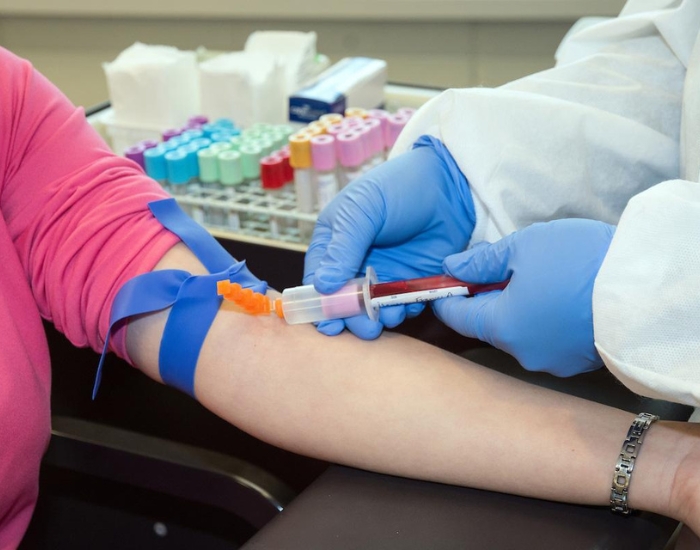
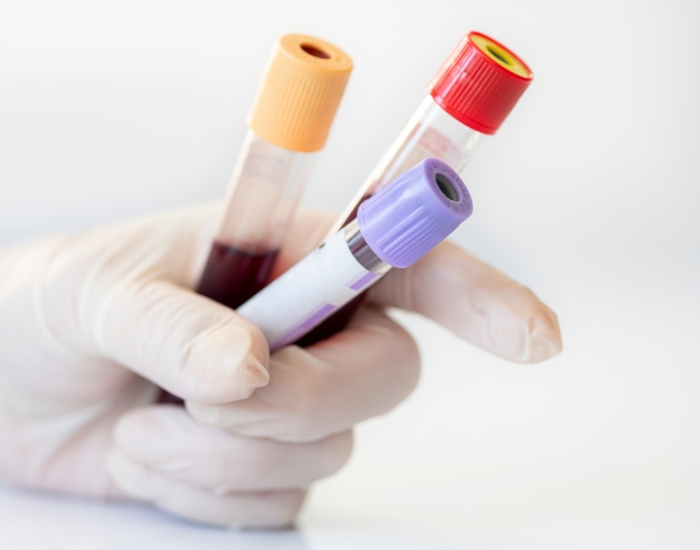
- Genetic Testing: A simple blood draw or saliva test. The DNA is sent to a specialized lab to look for known, harmful mutations in cancer-susceptibility genes.
Prevention and Next Steps
Finding out you have an elevated risk or a genetic mutation is not a diagnosis of cancer—it is a roadmap for prevention. If a mutation is confirmed, a specialized oncology and preventative care team will step in to create a customized, aggressive screening plan.
Depending on your specific risk, this may include:
- Enhanced Screening: Starting mammograms, MRIs, or colonoscopies at a much younger age and performing them more frequently than the general public.
- Lifestyle Modifications: Working with dietitians and specialists to lower your risk through targeted diet changes, weight management, and quitting smoking.
- Chemoprevention: Taking specific medications (like Tamoxifen) that have been proven to significantly lower the risk of developing certain hormone-driven cancers.
- Prophylactic Surgery: For patients with extremely high-risk mutations, preventative surgeries—such as removing the breasts, ovaries, or colon before cancer ever develops—can drastically reduce the risk of the disease.
Local Oncology Care in Houston & Katy
When you are dealing with the anxiety of a heavy family history, you need clear answers and a proactive plan. Our team focuses on providing rapid diagnostics, compassionate genetic counseling, and state-of-the-art preventative oncology care. We utilize the latest medical advancements to evaluate your genetic risk and keep you one step ahead of cancer safely and effectively.
If you are concerned about your family tree or want to explore genetic testing, our top board-certified oncologists in Houston, Katy, Cypress, and The Woodlands are available to help. We offer thorough risk evaluations and personalized screening plans tailored specifically to your genetic profile.
Frequently Asked Questions
If I have the BRCA mutation, will I definitely get breast cancer?
No. Having a gene mutation significantly increases your risk, but it does not guarantee that cancer will develop. It simply means you must be far more proactive with your screenings and preventative care than someone without the mutation.
Can men inherit or pass down the BRCA gene?
Yes. Men have an equal chance of inheriting the BRCA1 or BRCA2 mutations from either parent, and they can pass it down to both their sons and daughters. It also increases their own risk for prostate, pancreatic, and male breast cancer.
Is genetic testing covered by health insurance?
Most major health insurance plans cover genetic testing if you meet specific national guidelines for a high-risk family history. Your genetic counselor will usually verify your coverage before any tests are ordered.
Get Evaluated Today
Do not wait and wonder if history will repeat itself. Ignoring a strong family history leaves you vulnerable, while getting a professional evaluation gives you the power of prevention. Catching serious conditions in their earliest, most treatable stages—or preventing them entirely—is the ultimate goal. Our team is here to guide you through a transparent and prompt risk assessment process. Take control of your health and get the answers you need today. Request a call back or book your preventative oncology consultation.
Related Resources
- Melanoma Risk Factors, Causes & Prevention
- Prostate Cancer Causes & Risk Factors
- Early Cancer Detection in Houston
Disclaimer
This content is for informational purposes only and should not be considered medical advice, diagnosis, or treatment. Always consult a qualified healthcare provider, oncologist, or genetic counselor for personalized medical guidance based on your specific family history.