


Experiencing unexplained bleeding can be an incredibly alarming discovery. While it is completely normal for your mind to jump to the worst-case scenario, it is important to remember that many instances of abnormal bleeding are caused by benign (non-cancerous) conditions. However, unexplained bleeding is also one of the body’s most critical warning signs and should never be ignored. If you live in the Houston or Katy area and are experiencing unusual bleeding, understanding the potential causes and knowing when to seek a professional oncology evaluation could be life-saving.
Common Sites of Unexplained Bleeding
Bleeding can occur in various parts of the body, and its location often provides the first clue to its underlying cause. While benign issues like infections, hemorrhoids, or hormonal imbalances are common culprits, unexplained bleeding warrants a thorough investigation. Pay close attention to these common problem areas:
- In the Stool (Rectal Bleeding): Can appear as bright red blood or dark, tarry stools. Often caused by hemorrhoids or anal fissures, but can indicate more serious gastrointestinal issues.
- In the Urine (Hematuria): Urine may look pink, red, or cola-colored. Frequently caused by urinary tract infections (UTIs) or kidney stones.
- Abnormal Vaginal Bleeding: Bleeding between periods, after intercourse, or after menopause. Can be linked to fibroids, hormonal changes, or infections.
- Coughing Up Blood (Hemoptysis): Ranging from blood-streaked sputum to larger amounts of bright red blood. Often related to severe respiratory infections or bronchitis.
- Unusual Bruising or Bleeding Gums: Frequent nosebleeds, bleeding gums, or large bruises that appear without any physical trauma.
When Is Bleeding a Sign of Cancer?
When benign causes are ruled out, unexplained bleeding can be a primary symptom of several types of cancer. Tumors require their own blood supply to grow, and as they invade healthy tissue or as their fragile blood vessels break, bleeding occurs. Depending on the location, bleeding may be linked to:
- Colorectal Cancer: Blood in the stool is a hallmark sign of colon or rectal cancer.
- Bladder or Prostate Cancer: Painless blood in the urine is often the very first sign of bladder cancer or advanced prostate cancer.
- Cervical, Ovarian, or Uterine Cancer: Post-menopausal bleeding or irregular, heavy vaginal bleeding requires immediate gynecologic oncology evaluation.
- Lung Cancer: Coughing up blood, even a small amount, is a classic warning sign of lung cancer, especially in individuals with a history of smoking.
- Leukemia or Lymphoma: Blood cancers can interfere with the body’s ability to produce platelets, leading to unexplained bruising, frequent nosebleeds, and bleeding gums.
When to Worry: Red Flags You Shouldn’t Ignore Any bleeding that cannot be easily explained by a known injury, infection, or typical menstrual cycle should be evaluated by a physician. Early cancer detection is the most effective way to ensure a positive outcome.
Seek immediate medical evaluation if your bleeding is accompanied by:
- Unexplained and rapid weight loss
- Chronic fatigue, weakness, or feeling faint (signs of anemia)
- Persistent pain in the abdomen, pelvis, or back
- Changes in bowel habits (such as chronic diarrhea or constipation) that last for more than a few days
- A persistent cough or shortness of breath
- A lump or mass that you can feel under the skin
How Is Unexplained Bleeding Diagnosed?
Because bleeding is a symptom rather than a condition itself, your doctor or oncologist will act like a detective to find the source. Guessing is never an option when it comes to your health. To pinpoint the cause of the bleeding, your provider may recommend:
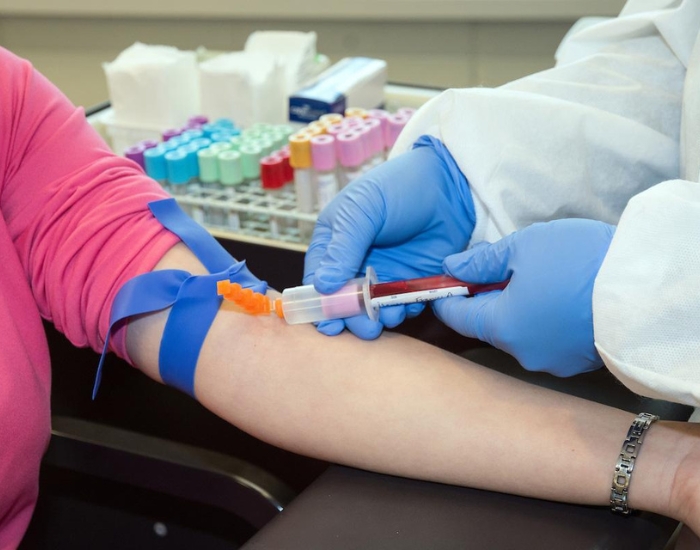
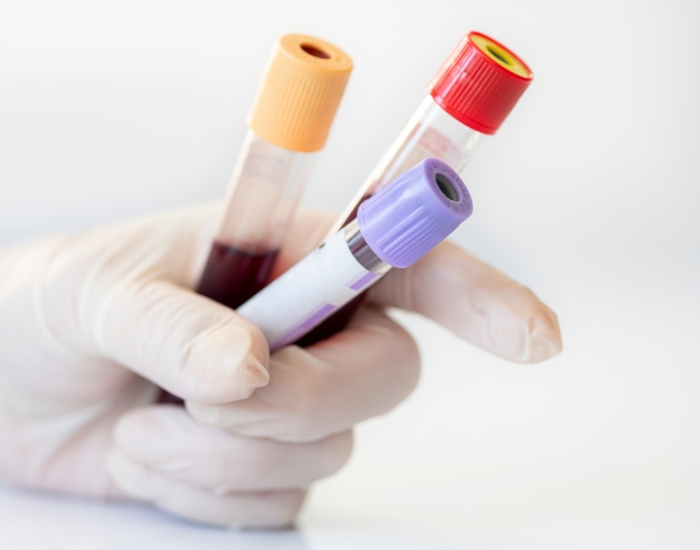
- Blood Tests: To check for anemia, organ function, and specific tumor markers.
- Endoscopy or Colonoscopy: To visually inspect the digestive tract for polyps, tumors, or ulcers.
- Imaging (CT Scans, MRIs, or Ultrasounds): To look for masses or abnormalities in the internal organs, pelvis, or chest.
- Biopsy: If a mass or suspicious area is found, a small tissue sample will be taken to check for malignant cells.
Treatment and Next Steps
The treatment for unexplained bleeding depends entirely on its source and whether it is benign or malignant. If cancer is ruled out, your doctor will help you manage the underlying condition (such as an infection or polyps). If a cancer diagnosis is confirmed, a specialized oncology team will step in:
- Surgical Intervention: To remove the tumor or affected tissue.
- Targeted Oncology Treatment: Your oncologist will design a customized plan that may include chemotherapy, radiation therapy, immunotherapy, or targeted drug therapy to eradicate the cancer cells and stop the bleeding at its source.
Local Oncology Care in Houston & Katy
When you are dealing with frightening symptoms like unexplained bleeding, you need answers quickly. Our team focuses on providing rapid diagnostics, compassionate support, and state-of-the-art oncology care. We utilize the latest medical advancements to evaluate and treat all forms of cancer safely and effectively.
If you are concerned about unusual symptoms, our board-certified oncologists in Houston and Katy are available to help. We offer thorough diagnostic evaluations and personalized treatment plans tailored to your specific health needs.
Frequently Asked Questions
Is blood in my stool definitely colon cancer? No. In fact, the most common causes of rectal bleeding are hemorrhoids and anal fissures. However, because blood in the stool can be an early sign of colorectal cancer, it must always be evaluated by a doctor to be safe. What does it mean if my urine is pink but I don’t feel any pain? Painless blood in the urine is a major red flag for bladder cancer. While painful bleeding often points to a UTI or kidney stone, painless bleeding should be evaluated by a specialist immediately. Why am I bruising so easily all of a sudden? Sudden, unexplained bruising can be a sign that your blood is not clotting properly. While this can be caused by certain medications or vitamin deficiencies, it can also be an early sign of blood cancers like leukemia.
Get Evaluated Today
Do not wait to see if the bleeding stops on its own. Ignoring these symptoms allows potential issues to progress. Getting a professional evaluation is the only way to gain true peace of mind and catch serious conditions early. Our team is here to guide you through a transparent and prompt diagnostic process. Take control of your health and get the answers you need today. Request a call back or book your same-day oncology consultation.
Related Resources
- Colorectal Cancer Signs, Symptoms, and Screening
- Types of Bladder Cancer You Must Know
- Early Cancer Detection in Houston
Disclaimer This content is for informational purposes only and should not be considered medical advice, diagnosis, or treatment. Always consult a qualified healthcare provider or oncologist for personalized medical guidance. If you are experiencing heavy, uncontrollable bleeding, severe dizziness, or difficulty breathing, seek emergency medical attention or call 911 immediately.