



When digestive symptoms start feeling different from “normal”
Many adults notice occasional bloating, constipation, or stomach discomfort and assume it is related to diet, stress, or aging. The confusion often begins when symptoms last longer than expected or start changing patterns. At that point, many people wonder whether it is something minor or something that needs cancer evaluation.
Colon cancer is one of the most common cancers in the United States, yet early warning signs are often subtle. Understanding possible symptoms can help patients decide when to seek evaluation from an oncology specialist and avoid delays in diagnosis.
Understanding Colon Cancer in Simple Terms
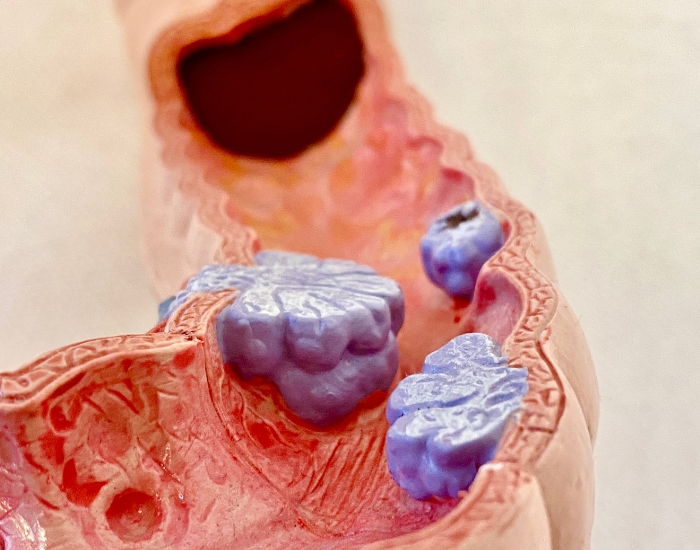
Colon cancer begins in the large intestine, often starting as small growths called polyps. These polyps may not cause symptoms for a long time. As cancer grows, it can change how the bowel works, cause bleeding, or affect energy levels. One important fact is that early colon cancer may not cause noticeable symptoms. This is why screening plays such a large role in early detection and better outcomes.
Why Early Symptoms Are Often Missed
Many early colon cancer symptoms overlap with common digestive conditions such as hemorrhoids, irritable bowel syndrome, or minor infections. In many cases, symptoms are mild at first or appear off and on. Early disease may even cause no symptoms at all, which is why routine screening is strongly recommended starting in mid-adulthood.
Most Common Symptoms of Colon Cancer
Symptoms can vary depending on tumor location and stage, but several warning signs appear consistently across medical research.
Changes in Bowel Habits
This is often one of the earliest and most noticeable changes.
Watch for:
- Ongoing diarrhea or constipation
- Stool becoming thinner or narrower
- Sudden change in how often bowel movements occur
- Feeling like the bowel does not fully empty
Persistent bowel pattern changes can signal a blockage or irritation caused by tumor growth.
Blood in Stool or Rectal Bleeding
This symptom should always be evaluated.
Possible signs include:
- Bright red blood on toilet paper
- Dark or black stool
- Blood mixed into stool
Bleeding may sometimes be mistaken for hemorrhoids, but any unexplained bleeding needs medical evaluation.
Ongoing Abdominal Discomfort
Colon cancer can create chronic digestive discomfort.
Common sensations include:
- Cramping
- Gas pain
- Bloating
- Persistent abdominal pressure
Unlike temporary indigestion, cancer-related discomfort tends to be ongoing or progressively worse.
Fatigue and Weakness
Many patients describe feeling unusually tired even after rest.
This may happen because:
- Slow internal bleeding can cause anemia
- The body uses extra energy fighting disease
Unexplained fatigue combined with digestive symptoms should not be ignored.
Unexplained Weight Loss
Weight loss without diet or lifestyle changes can signal many conditions, including cancer. In colon cancer, weight loss may happen due to appetite changes, metabolic changes, or digestive disruption.
Symptoms That May Appear in Later Stages
As colon cancer grows or spreads, symptoms may become more noticeable or severe.
Later symptoms may include:
- Severe abdominal pain
- Nausea or vomiting from bowel blockage
- Loss of appetite
- Shortness of breath related to anemia
- Symptoms depending on where cancer spreads
Advanced disease symptoms vary based on tumor size and spread location.
When Symptoms Require Immediate Medical Evaluation
Medical evaluation is strongly recommended if symptoms last more than two weeks or continue worsening.
Seek evaluation if there is:
- Persistent blood in stool
- Ongoing bowel habit changes
- Constant abdominal pain
- Ongoing fatigue with no explanation
- Unintentional weight loss
Persistent symptoms should never be assumed to be minor digestive problems.
How Colon Cancer Is Typically Evaluated
Oncology evaluation usually involves several steps.
Medical History and Symptom Review
Specialists evaluate:
- Symptom pattern and duration
- Family history of cancer
- Lifestyle and risk factors
Diagnostic Testing
Testing may include:
- Colonoscopy
- Stool-based testing
- Blood testing
- Imaging such as CT scans
Screening and early testing help identify cancer when treatment options are most effective.
How Colon Cancer Is Typically Treated
Treatment depends on cancer stage and patient health. Treatment options may include:
- Surgery to remove tumors
- Chemotherapy
- Radiation therapy in selected cases
- Targeted therapy or immunotherapy
Oncology teams create personalized treatment plans based on tumor characteristics and overall health.
Risk Factors That Increase Colon Cancer Risk
Some risk factors cannot be changed, while others can be modified.
Non-modifiable Risk Factors
- Age over 45
- Family history of colon cancer
- Genetic conditions like Lynch syndrome
Lifestyle-Related Risk Factors
- Low fiber diet
- Physical inactivity
- Smoking
- Heavy alcohol use
Lifestyle improvements may help reduce overall risk.
Prevention and Early Detection
While not all colon cancer is preventable, early detection is extremely powerful. Helpful preventive steps include:
- Routine screening colonoscopy
- Staying physically active
- Maintaining a healthy weight
- Eating fiber-rich foods
- Avoiding tobacco
Screening can detect precancerous polyps before they turn into cancer.
Who Typically Manages Colon Cancer Care
Colon cancer diagnosis and treatment is usually led by oncology specialists.
The care team may include:
- Medical oncologists
- Surgical oncologists
- Radiation oncologists
- Gastroenterology specialists for diagnostic procedures
Cancer care is typically coordinated through oncology centers where treatment plans are customized.
Key Takeaway: Listen to Persistent Changes
Colon cancer symptoms often start quietly. Small changes in bowel habits, energy levels, or digestion can feel easy to ignore. Persistent or unusual symptoms deserve medical evaluation, especially if they continue beyond a couple of weeks or gradually worsen. Early evaluation gives patients the greatest range of treatment options and better long-term outcomes.
Conclusion
Colon cancer symptoms can overlap with common digestive issues, which is why many people delay evaluation. Paying attention to ongoing bowel changes, unexplained fatigue, bleeding, or weight loss can make a meaningful difference in early detection.
Oncology specialists play a critical role in diagnosing and managing colon cancer using advanced testing and personalized treatment approaches. Early awareness, timely screening, and specialist evaluation remain key tools in improving survival and quality of life.
Medical Disclaimer: This content is for educational purposes only. It is not intended to diagnose, treat, or replace professional medical advice. Always seek evaluation from a qualified healthcare professional or oncology specialist for symptoms or medical concerns.