



When a Spot or Mole Feels Different
Many adults notice a new mole, freckle, or skin lesion and dismiss it as harmless. Others may have existing spots that start to change over time. It can be confusing to decide whether to schedule a check-up with an oncologist or a dermatologist.
Knowing the skin cancer symptoms can help patients recognize early changes and seek evaluation before a small problem becomes more serious. For those searching oncologist near me in Katy or Houston, understanding what to look for is the first step in proactive skin health.
What Is Skin Cancer in Simple Terms
Skin cancer occurs when skin cells grow uncontrollably, forming tumors. There are three main types:
- Basal Cell Carcinoma (BCC) – The most common type, usually slow-growing and rarely spreading.
- Squamous Cell Carcinoma (SCC) – Can grow more quickly and may spread if untreated.
- Melanoma – Less common but more aggressive; early detection is critical.
All types of skin cancer can develop anywhere on the body, though sun-exposed areas like the face, arms, and neck are most common.
Common Skin Cancer Symptoms
Skin cancer symptoms vary depending on type, but early warning signs often appear as changes to the skin or existing moles.
Visual Signs to Watch For:
- A new growth, bump, or sore that doesn’t heal
- A mole that changes size, shape, or color
- Irregular or asymmetrical moles
- Borders that are jagged or blurred
- Multiple colors in a single mole, including shades of brown, black, red, or blue
- A spot that itches, bleeds, crusts, or becomes tender
Other Skin Changes:
- Red or inflamed patches that persist
- Waxy or pearly bumps (common in BCC)
- Scaly or crusty patches (common in SCC)
Using the ABCDE method helps evaluate moles and spots for melanoma risk:
- A – Asymmetry (one half doesn’t match the other)
- B – Border irregularity
- C – Color variation
- D – Diameter greater than 6mm
- E – Evolving or changing over time
Why Skin Cancer Symptoms Can Be Missed
Many skin changes are subtle or slow-growing. Patients often attribute them to harmless moles, age spots, or minor injuries. Women and men alike may overlook spots on hard-to-see areas such as the back, scalp, or legs. Delayed evaluation is why awareness of skin cancer symptoms is essential for early detection and successful treatment.
Risk Factors for Skin Cancer
Some individuals are more prone to developing skin cancer:
- Fair skin, freckling, or light hair
- Excessive sun exposure or tanning bed use
- Family history of skin cancer
- History of sunburns, especially in childhood
- Weakened immune system
- Age over 50
Understanding risk factors can help guide regular skin checks and conversations with healthcare providers.
When to See a Doctor
Seek medical evaluation if you notice:
- Any new or changing spot or mole
- A sore that doesn’t heal within a few weeks
- Unexplained itching, tenderness, or bleeding
- Multiple spots that look irregular
- A family history of skin cancer combined with personal skin changes
How Skin Cancer Is Diagnosed
Diagnosis usually involves:
- Physical skin examination
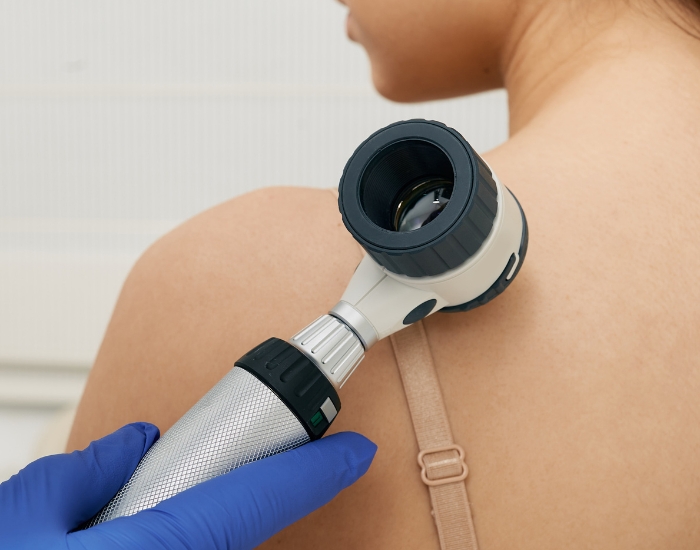
- Dermoscopy (magnified skin imaging)
- Biopsy of suspicious lesions
- Additional imaging if cancer is suspected to have spread
Early detection often allows for less invasive treatment and higher cure rates.
Treatment Options for Skin Cancer
Treatment depends on type, size, and stage of the cancer:
- Surgical removal (most common for BCC and SCC)
- Mohs surgery for precise removal of skin layers
- Topical medications for superficial cancers
- Radiation therapy in certain cases
- Immunotherapy or targeted therapy for advanced melanoma
Regular skin monitoring can reduce the likelihood of advanced disease.
Preventive Measures
While not all skin cancers are preventable, these measures help reduce risk:
- Avoid excessive sun exposure, especially between 10 a.m. and 4 p.m.
- Use broad-spectrum sunscreen daily
- Wear protective clothing and hats
- Avoid tanning beds
- Perform regular self-skin exams
- Schedule professional skin checks annually, or more often for high-risk individuals
Why Early Awareness Matters
Most skin cancers are highly treatable when caught early. Recognizing skin cancer symptoms promptly leads to better outcomes and often simpler treatment.
Final Thoughts
Not every mole or skin spot is cancerous, but persistent changes or unusual growths should not be ignored. Adults noticing skin changes should feel confident booking an appointment, particularly when searching for oncologist near me in Katy or Houston. Early evaluation provides reassurance, appropriate testing, and the best chance for successful treatment if cancer is present.
Medical Disclaimer: This content is for educational purposes only and does not replace professional medical advice, diagnosis, or treatment. Always consult a qualified healthcare provider regarding any skin changes or health concerns.