



Sitting down to eat should not feel uncomfortable. Yet some people notice that after just a few bites, they already feel uncomfortably full. Meals that were once satisfying now feel overwhelming. Portions shrink. Appetite fades. Over time, concern begins to grow.
Feeling full quickly after eating, medically known as early satiety, is often blamed on stress, indigestion, or minor stomach issues. In many cases, the cause is harmless and temporary. However, persistent early satiety can sometimes signal an underlying medical condition, including gastrointestinal cancers.
Understanding why this symptom occurs and when it requires evaluation helps replace uncertainty with informed action. While not every case is serious, ongoing or worsening symptoms deserve careful medical attention.
What Is Early Satiety?
Early satiety refers to feeling full sooner than expected during a meal. Instead of finishing a normal portion, a person may feel satisfied or uncomfortable after eating only a small amount.
This symptom may be accompanied by:
- Bloating
- Nausea
- Upper abdominal discomfort
- Loss of appetite
- Unintentional weight loss
Occasional early fullness is common. Persistent or progressive symptoms, however, require evaluation to determine the cause.
How Digestion Normally Works
To understand early satiety, it helps to review normal digestion.
After food is swallowed, it travels down the esophagus into the stomach. The stomach:
- Expands to accommodate food
- Breaks food down with acid and enzymes
- Gradually releases partially digested contents into the small intestine
The stomach is designed to stretch comfortably during meals. When fullness occurs too soon, something may be interfering with this normal expansion or emptying process.
Common Non-Cancerous Causes of Feeling Full Quickly After Eating
Many cases of early satiety are related to benign conditions.
1. Gastritis
Inflammation of the stomach lining can cause discomfort and early fullness.
2. Peptic Ulcers
Ulcers may create pain or a sensation of pressure after eating small amounts.
3. Gastroesophageal Reflux Disease (GERD)
Acid reflux can reduce appetite and create upper abdominal discomfort.
4. Gastroparesis
Delayed stomach emptying slows digestion, leading to early satiety and bloating.
5. Irritable Bowel Syndrome (IBS)
Functional digestive disorders can alter appetite and fullness sensations.
6. Anxiety and Stress
The digestive system is closely connected to emotional health. Stress can significantly affect appetite and stomach function.
Although these causes are common, persistent symptoms should not be dismissed without proper evaluation.
When Feeling Full Quickly After Eating May Be Concerning
Certain patterns raise greater concern.
Seek medical evaluation if early satiety is accompanied by:
- Unintentional weight loss
- Persistent nausea or vomiting
- Difficulty swallowing
- Black or bloody stools
- Severe abdominal pain
- Fatigue or anemia
- A family history of gastrointestinal cancer
These symptoms may indicate a structural or more serious underlying condition.
Gastrointestinal Cancers Associated With Early Satiety
Early satiety can sometimes be associated with cancers affecting the digestive system.
Stomach (Gastric) Cancer
A growing tumor in the stomach can reduce its ability to stretch, causing fullness after small meals. Additional symptoms may include:
- Persistent indigestion
- Abdominal pain
- Nausea
- Vomiting
- Weight loss
Pancreatic Cancer
Tumors affecting the pancreas may interfere with digestion and cause:
- Early fullness
- Bloating
- Back pain
- Jaundice in advanced cases
Ovarian Cancer
In women, ovarian cancer may cause abdominal swelling and pressure, leading to early satiety. Other symptoms can include:
- Pelvic discomfort
- Urinary urgency
- Changes in bowel habits
Advanced Colorectal Cancer
Large tumors may obstruct digestion and create a sense of fullness.
Although cancer is not the most common cause, persistent feeling full quickly after eating should be evaluated, particularly when additional symptoms are present.
How Tumors Can Cause Early Satiety
Cancer-related early satiety may occur for several reasons:
- Physical obstruction limiting stomach expansion
- Fluid accumulation in the abdomen
- Inflammation affecting digestive function
- Hormonal or metabolic changes
- Delayed gastric emptying
Tumors may also reduce appetite by affecting hunger-regulating pathways in the body.
Early diagnosis improves treatment options and outcomes.
The Diagnostic Process
A structured medical evaluation helps determine the underlying cause.
Medical History
A provider will ask about:
- Duration of symptoms
- Weight changes
- Appetite changes
- Associated pain
- Family history of cancer
- Medication use
Physical Examination
The abdomen is examined for tenderness, masses, or fluid accumulation.
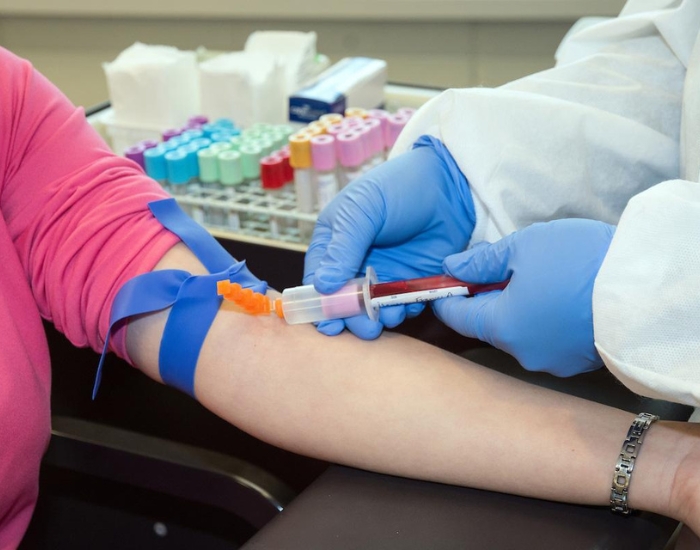
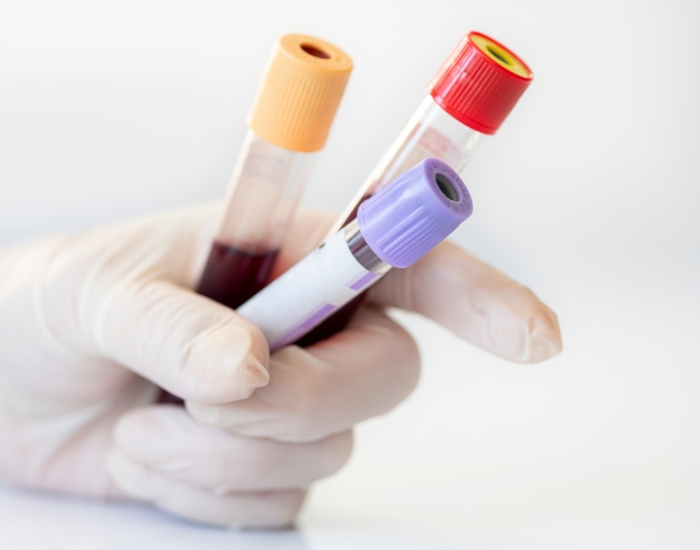
Laboratory Tests
Blood work may evaluate:
- Anemia
- Liver function
- Inflammation markers
- Nutritional deficiencies
Imaging Studies
Imaging may include:
- Abdominal ultrasound
- CT scan
- MRI
These tests assess structural abnormalities or masses.
Upper Endoscopy
An upper endoscopy allows direct visualization of the esophagus, stomach, and small intestine. Suspicious areas can be biopsied.
Colonoscopy
If lower gastrointestinal causes are suspected, colonoscopy may be recommended.
Biopsy
If an abnormal growth is found, biopsy confirms whether cancer cells are present.
Prompt evaluation ensures appropriate treatment planning.
Staging If Cancer Is Diagnosed
If a malignancy is identified, staging determines:
- Tumor size
- Lymph node involvement
- Spread to other organs
Staging guides treatment decisions and helps predict prognosis.
Early-stage cancers are generally more treatable than advanced-stage disease.
Treatment Options Based on Diagnosis
Treatment depends on the underlying condition.
For Non-Cancerous Causes
Management may include:
- Acid-reducing medications
- Antibiotics for infection
- Dietary modifications
- Medications to improve gastric motility
- Stress management strategies
For Gastrointestinal Cancers
Treatment options may include:
- Surgery to remove the tumor
- Chemotherapy
- Radiation therapy
- Targeted therapy
- Immunotherapy
Treatment plans are individualized based on tumor type, stage, and overall health.
What to Expect During Cancer Treatment
Cancer treatment may involve multiple phases.
Patients may experience:
- Temporary appetite changes
- Fatigue
- Nausea
- Digestive discomfort
Nutritional support is often an essential part of care. Dietitians may recommend:
- Smaller, frequent meals
- High-calorie nutrient-dense foods
- Protein supplementation
- Hydration strategies
Monitoring weight and nutritional status helps maintain strength during treatment.
Nutritional Strategies for Early Satiety
Even before diagnosis, dietary adjustments may improve symptoms.
Helpful approaches include:
- Eating five to six small meals daily
- Avoiding large, heavy meals
- Limiting fatty or fried foods
- Sitting upright after eating
- Drinking fluids between meals instead of during meals
- Choosing soft, easy-to-digest foods
These strategies can reduce discomfort while awaiting medical evaluation.
Emotional Impact of Persistent Digestive Symptoms
Chronic digestive discomfort can create anxiety and uncertainty. Appetite changes often affect social interactions and daily routines.
Support systems are important. Patients may benefit from:
- Counseling services
- Support groups
- Family involvement
- Nutritional guidance
Addressing both physical and emotional health improves overall well-being.
Common Misconceptions
Several myths may delay care.
Myth 1: It is just aging.
While digestion can change with age, persistent early satiety is not a normal part of aging.
Myth 2: If there is no pain, it is harmless.
Some serious conditions cause minimal discomfort initially.
Myth 3: Appetite loss always means stress.
Stress can affect digestion, but medical causes must be ruled out.
Myth 4: Small meals are healthier, so feeling full quickly is good.
Unintentional appetite reduction with weight loss should not be ignored.
When to Seek Specialist Evaluation
Specialist referral may be appropriate if:
- Imaging reveals abnormalities
- Biopsy confirms cancer
- Symptoms persist without explanation
- There is significant weight loss
- A family history increases cancer risk
Early consultation allows coordinated diagnostic planning and timely treatment if needed.
Prevention and Risk Reduction
While not all cancers are preventable, certain steps reduce risk:
- Maintaining a healthy weight
- Eating a diet rich in fruits and vegetables
- Limiting processed foods
- Avoiding tobacco
- Limiting alcohol consumption
- Staying physically active
- Participating in age-appropriate cancer screening
Preventive healthcare plays an essential role in early detection.
Frequently Asked Questions
1. Is feeling full quickly after eating always serious?
No. Many cases are related to temporary or benign digestive issues. Persistent or worsening symptoms require evaluation.
2. How long should early satiety last before seeing a doctor?
If symptoms persist for more than two weeks or are accompanied by weight loss or other concerning signs, medical evaluation is recommended.
3. Can stress alone cause early fullness?
Stress can affect digestion, but ongoing symptoms should be assessed to rule out physical causes.
4. Does early satiety always mean stomach cancer?
No. Stomach cancer is one possible cause, but it is less common than benign digestive disorders.
5. What tests are usually performed first?
Initial evaluation often includes blood tests and imaging, followed by endoscopy if indicated.
Final Thoughts
Feeling full quickly after eating may seem minor at first, but persistent early satiety should not be ignored. While many causes are benign, this symptom can sometimes indicate a more serious underlying condition, including gastrointestinal cancers.
Timely medical evaluation provides clarity, reassurance, and early intervention when necessary. Paying attention to changes in appetite and digestive comfort is an important step in protecting long-term health.
Schedule an Evaluation
If persistent early fullness, unexplained weight loss, or other digestive symptoms are present, scheduling a professional medical evaluation is an important next step. Comprehensive diagnostic services and individualized care planning help determine the cause and guide appropriate treatment.
Contact Premier Oncology Consultants to arrange a consultation and receive expert evaluation tailored to individual health concerns.
Medical Disclaimer: This content is for informational purposes only and does not constitute medical advice, diagnosis, or treatment. Always consult a qualified healthcare provider regarding any medical condition or treatment decisions.