


When a Lump Feels Concerning
Feeling a lump in the breast can be alarming. Many people worry immediately about cancer, while others assume it is hormonal or harmless. This uncertainty often raises questions: Is this an actual breast cancer lump? Should I wait and see or seek a specialist immediately?
In Katy and Houston, early evaluation is key. Understanding what an actual breast cancer lump feels like, how it is diagnosed, and when to get care can empower patients to act quickly and confidently.
How to Recognize an Actual Breast Cancer Lump
Not all lumps are cancerous, but knowing the signs can make a difference. Characteristics often include:
- Hard or firm texture
- Irregular or uneven shape
- Fixed in one place, not easily moved
- Painless in early stages (sometimes painful later)
- Gradual growth over weeks or months
Other non-cancerous lumps, like cysts or fibroadenomas, are usually softer, movable, and may change with your menstrual cycle.
Signs Beyond the Lump: What to Watch For
An actual breast cancer lump may be accompanied by additional symptoms:
- Changes in breast size or shape
- Skin dimpling or puckering
- Nipple inversion or discharge (especially bloody)
- Redness, warmth, or rash over the breast
- Swelling in the armpit due to lymph node involvement
These warning signs often prompt specialists to recommend further imaging or biopsy.
Why Early Detection Matters
Detecting an actual breast cancer lump early increases treatment options and success rates. Early-stage breast cancers are often easier to treat and may require less aggressive therapy.
Early detection steps include:
- Monthly self-breast exams
- Annual clinical breast exams
- Mammograms starting at recommended ages
How Specialists Evaluate a Breast Lump
Evaluation usually includes:
Medical History & Risk Assessment
- Family history of breast cancer
- Personal history of breast lumps or breast conditions
- Hormonal factors and age
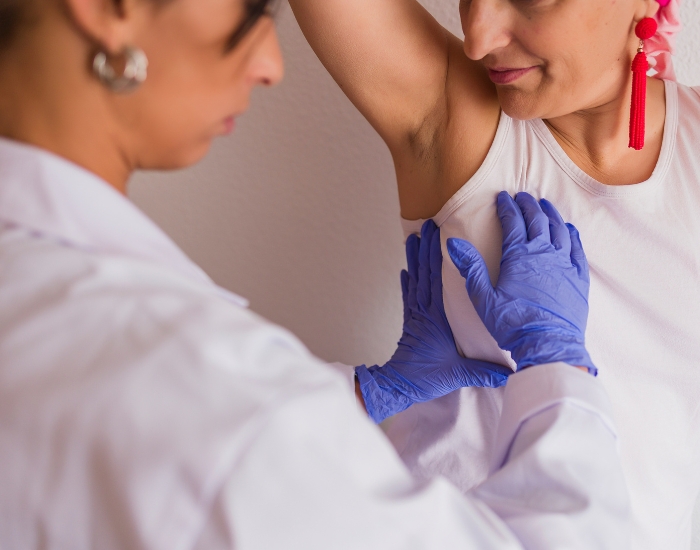
Physical Examination
- Palpation to assess size, texture, and mobility
- Checking nearby lymph nodes
Diagnostic Testing
- Mammogram or ultrasound
- MRI in certain cases
- Biopsy to confirm whether the lump is cancerous
A biopsy is the definitive step to confirm diagnosis.
Understanding Treatment Options
Treatment depends on the type, size, and stage of the cancer. Options often include:
- Lumpectomy or mastectomy
- Radiation therapy
- Chemotherapy or targeted therapy
- Hormone therapy for specific receptor-positive cancers
- Immunotherapy in select cases
Specialists may combine treatments for the most effective results.
Prevention & Risk Reduction Tips for Texas Residents
While not all breast cancer can be prevented, some strategies reduce risk:
- Maintain a healthy weight
- Exercise regularly
- Limit alcohol consumption
- Avoid tobacco
- Stay up to date on screenings
Who Should Manage a Suspected Lump
For an actual breast cancer lump, care is best managed by:
- Breast surgeons for evaluation and surgical planning
- Medical oncologists for systemic therapy
- Radiation oncologists if radiation is required
- Multidisciplinary teams for complex cases
Seeking specialized care early ensures timely diagnosis and coordinated treatment.
Key Takeaways
- Not every lump is cancer, but persistent, firm, or irregular lumps need evaluation
- Additional signs like skin changes, nipple discharge, or swelling increase concern
- Early detection improves treatment options and outcomes
- Specialist evaluation is the most reliable way to confirm a diagnosis
Conclusion
Discovering a lump can be frightening, but most lumps are benign. Acting promptly, getting professional evaluation, and understanding the signs of an actual breast cancer lump can make a significant difference. Patients in Katy and Houston benefit from early specialist care, which increases options and improves peace of mind.
Medical Disclaimer: This content is for educational purposes only. It does not replace professional medical advice, diagnosis, or treatment. Anyone discovering a new, changing, or concerning breast lump should seek evaluation from a qualified healthcare professional immediately.