


Black Stool: Is It Something You Ate, or a Sign of Colon Cancer?
Seeing black, tarry stool in the toilet can be an incredibly shocking and frightening experience. Your mind might immediately jump to the worst-case scenario, but it is important to know that changes in bowel habits and stool color are often caused by harmless dietary choices or benign medications. However, if you live in the Houston or Katy area and are experiencing persistently dark, foul-smelling stools, it is vital not to brush it off. Understanding the difference between a harmless dietary change and gastrointestinal bleeding can help you determine when it is time to seek a professional oncology evaluation for potential colon or gastric cancer.
Common Non-Cancerous Causes of Black Stool
Before you panic, take a moment to review what you have consumed over the last 48 hours. Many times, a sudden change in stool color is simply your digestive system processing certain foods, supplements, or medications.
The most frequent harmless culprits include:
- Iron Supplements: Taking over-the-counter iron pills for anemia is one of the most common causes of dark green or black stool.
- Bismuth Subsalicylate: Medications like Pepto-Bismol contain bismuth, which reacts with sulfur in your digestive tract to turn your stool completely black.
- Dark Foods: Consuming large amounts of black licorice, blueberries, blackberries, dark chocolate, or foods with dark artificial food coloring.
- Bleeding Ulcers: A bleeding stomach ulcer is a medical issue that needs treatment, but it is benign (non-cancerous). Blood from the stomach digests as it moves through your intestines, turning black and tarry by the time it passes.
How Does Cancer Cause Black Stool?
If you have ruled out dark foods and medications, black stool (medically known as melena) is a strong indicator of bleeding somewhere in your upper gastrointestinal (GI) tract. When tumors grow in the digestive system, their fragile blood vessels can easily break and bleed.
Black stool is most frequently linked to:
- Gastric (Stomach) Cancer: Tumors in the stomach can bleed slowly over time. Because the blood has a long way to travel through the digestive tract, it oxidizes and turns black, thick, and tarry before exiting the body.
- Right-Sided Colon Cancer: The colon is a long organ. If a tumor is bleeding on the right side of the colon (the beginning part), the blood has more time to degrade and darken compared to a tumor near the rectum, which usually produces bright red blood.
- Esophageal Cancer: Bleeding in the esophagus also passes through the entire digestive system, resulting in dark, altered blood in the stool.
When to Worry: Red Flags You Shouldn’t Ignore
Distinguishing between a dietary quirk and a potentially life-threatening condition requires careful attention to the consistency of the stool and any accompanying symptoms. Early cancer detection is the single most critical factor in achieving a successful treatment outcome.
Seek an immediate medical evaluation if your black stool is accompanied by:
- A noticeably foul, unusually pungent odor (a hallmark sign of digested blood)
- Unexplained and rapid weight loss
- Chronic fatigue, dizziness, or weakness (classic signs of anemia from blood loss)
- Persistent abdominal pain, cramping, or severe bloating
- A change in stool shape, such as stools that are suddenly “pencil-thin”
- Nausea or vomiting, especially if the vomit looks like dark coffee grounds
How Is Gastrointestinal Bleeding Diagnosed?
Guessing the cause of internal bleeding is never safe. Your oncologist or physician will conduct a thorough clinical evaluation to locate the exact source of the bleeding and determine whether a mass is present.
To pinpoint the diagnosis, your provider may recommend:
- Stool Tests: A Fecal Occult Blood Test (FOBT) or Fecal Immunochemical Test (FIT) to confirm the presence of hidden blood in the stool.
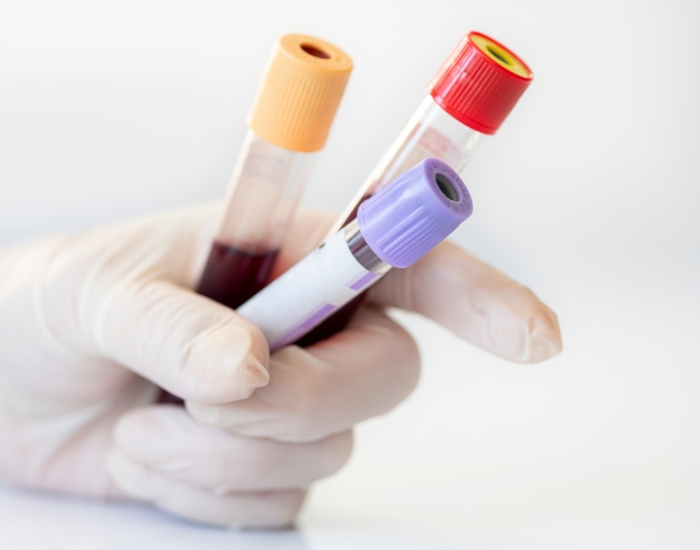
- Blood Tests: A complete blood count (CBC) to check for severe anemia and measure overall organ function.
- Upper Endoscopy: A thin, lighted tube is passed down the throat to visually inspect the esophagus, stomach, and upper small intestine for bleeding tumors or ulcers.
- Colonoscopy: The gold standard for detecting colorectal cancer. A camera is used to inspect the entire length of the large intestine for bleeding polyps or malignant masses.
Treatment and Next Steps
Treatment depends entirely on the root cause of the bleeding. If the cause is a benign stomach ulcer, your primary care doctor or gastroenterologist will prescribe medications to heal the lining of your stomach and stop the bleeding.
If a cancer diagnosis is confirmed, a specialized oncology team will step in to create a customized, aggressive care plan:
- Surgical Intervention: To safely remove the bleeding tumor and any affected surrounding tissue.
- Oncology Treatment: Your oncologist will design a comprehensive plan that may include chemotherapy, targeted drug therapy, or radiation to eradicate the cancer cells and prevent recurrence.
Local Oncology Care in Houston & Katy
When you are dealing with alarming symptoms like internal bleeding and dark stools, you need clear answers without the agonizing wait. Our team focuses on providing rapid diagnostics, compassionate support, and state-of-the-art oncology care. We utilize the latest medical advancements to evaluate and treat both benign and malignant gastrointestinal conditions safely and effectively.
If you are concerned about unusual digestive symptoms, our top board-certified oncologists in Houston, Katy, and Cypress are available to help. We offer thorough diagnostic evaluations and personalized treatment plans tailored specifically to your health needs.
Frequently Asked Questions
Does all colon cancer cause black stool?
No. The color of the blood depends on where the tumor is located. Tumors in the lower colon or rectum usually cause bright red blood on or in the stool. Tumors higher up in the digestive tract are more likely to cause black, tarry stool.
What does melena (black stool from blood) look like?
Melena is typically described as being sticky, thick, and tar-like in consistency, and it has a distinctively strong, foul odor that is different from a normal bowel movement.
Can I take an at-home colon cancer test if my stool is black?
If you are already visibly seeing black stool and experiencing symptoms like fatigue or abdominal pain, you should bypass at-home screening kits and schedule a direct medical evaluation and colonoscopy immediately.
Get Evaluated Today
Do not wait and wonder if your digestive symptoms will eventually disappear. Ignoring signs of internal bleeding allows potential issues to progress unchecked. Getting a professional evaluation is the only way to gain true peace of mind and catch serious conditions like gastric or colorectal cancer in their earliest, most treatable stages. Our team is here to guide you through a transparent and prompt diagnostic process. Take control of your health and get the answers you need today. Request a call back or book your same-day oncology consultation.
Related Resources
- Colorectal Cancer Signs & Symptoms
- Gastric Cancer Causes & Treatments
- Early Cancer Detection in Houston
Disclaimer
This content is for informational purposes only and should not be considered medical advice, diagnosis, or treatment. Always consult a qualified healthcare provider or oncologist for personalized medical guidance. If you are experiencing massive blood loss in your stool, vomiting blood, severe dizziness, or fainting, seek emergency medical attention or call 911 immediately.